The Lofoten Islands in February are not for the faint of heart — and that's exactly why I went.
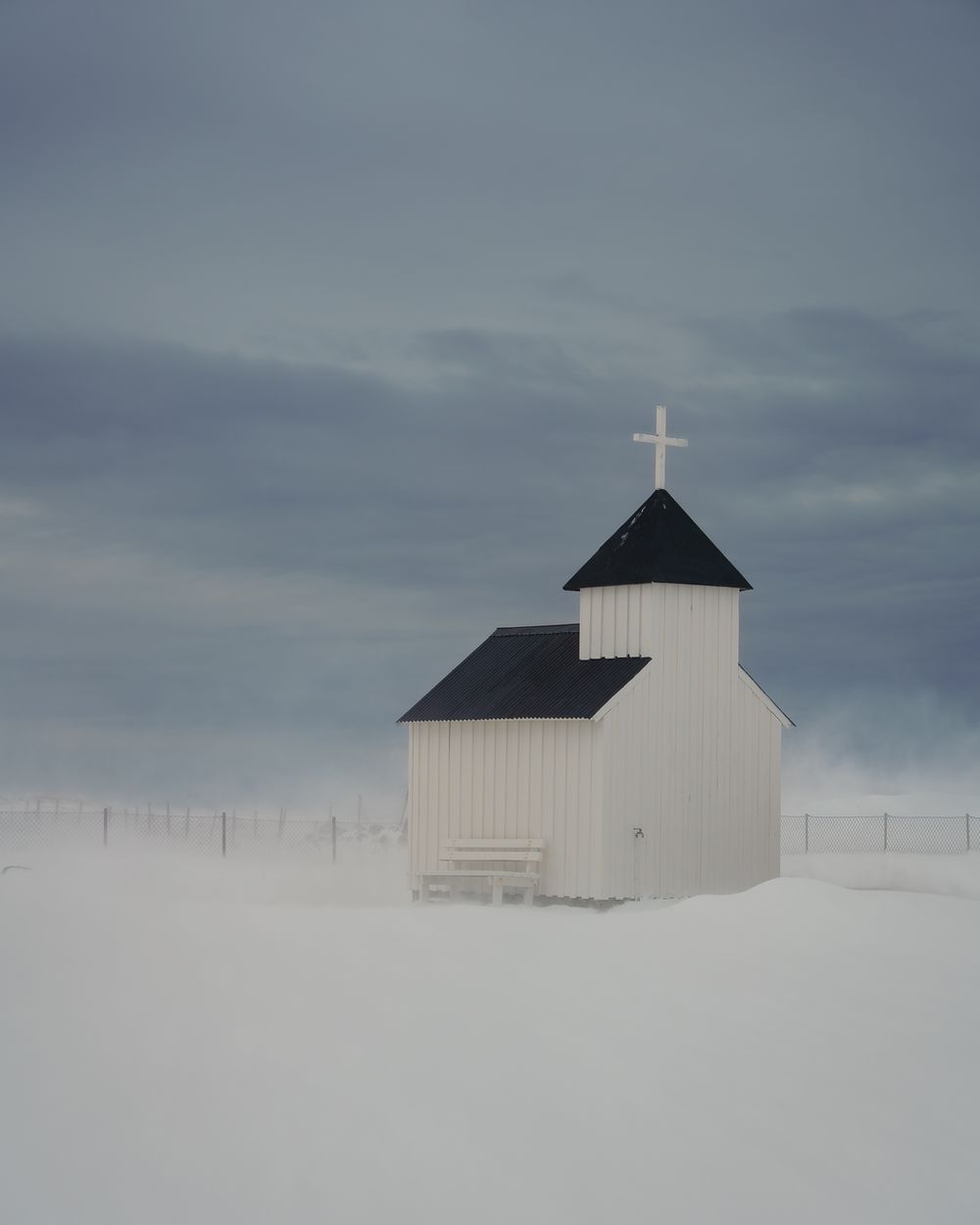
Seven days of wild, unpredictable Arctic weather. Temperatures that bit hard, winds that knocked me sideways, snow blowing across roads and burying the landscape in thick, luminous white. It was also, without question, one of the most visually overwhelming experiences of my life. The peaks here rise straight out of the fjords in shapes that don't quite seem real — dramatic, steep, and almost impossibly beautiful. Even looking back through thousands of frames, it's hard to believe it's all real.
The villages, the coastline, and what makes Lofoten unlike anywhere else
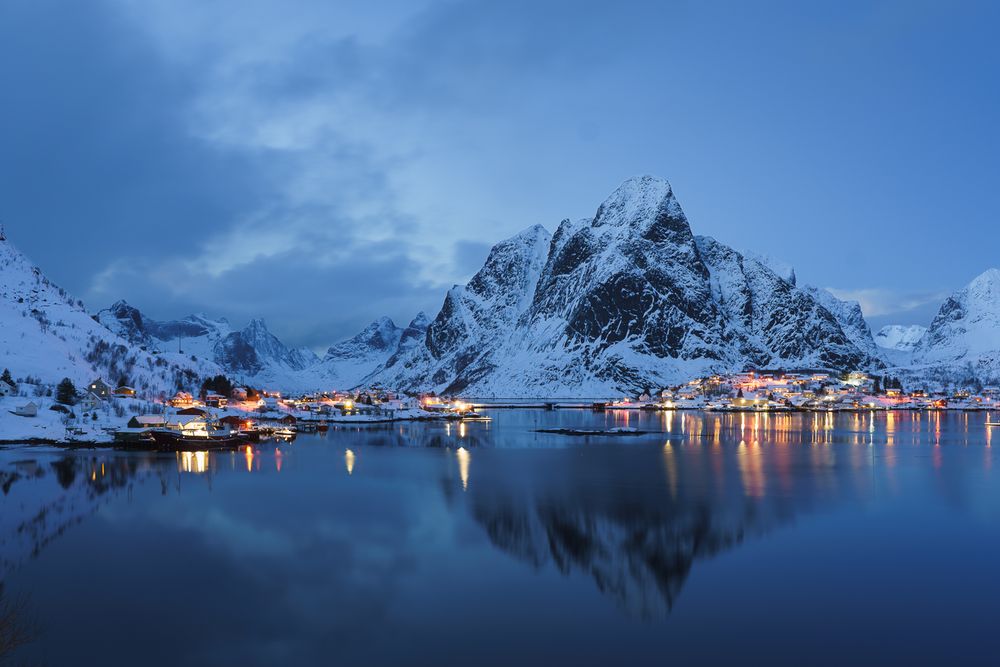
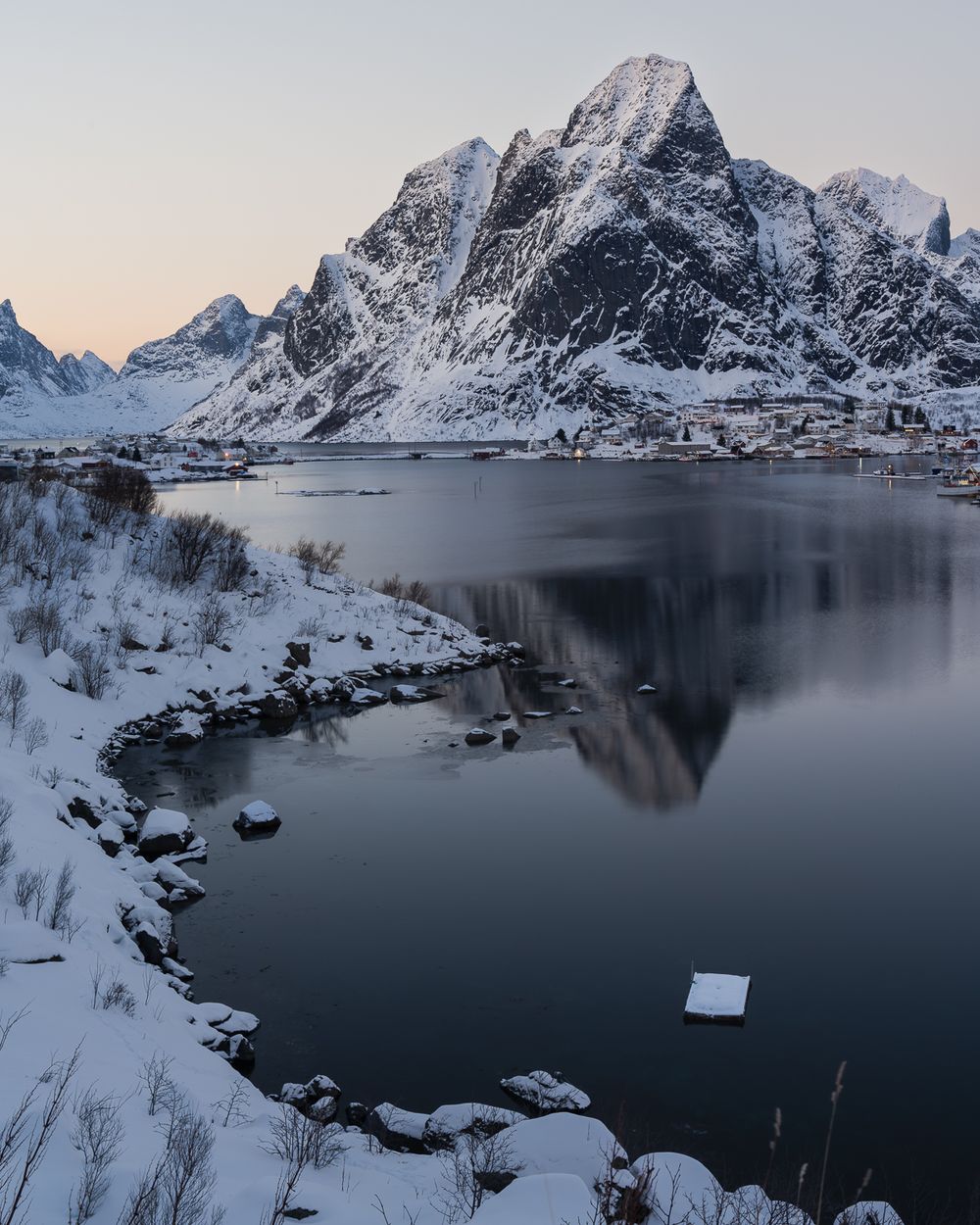
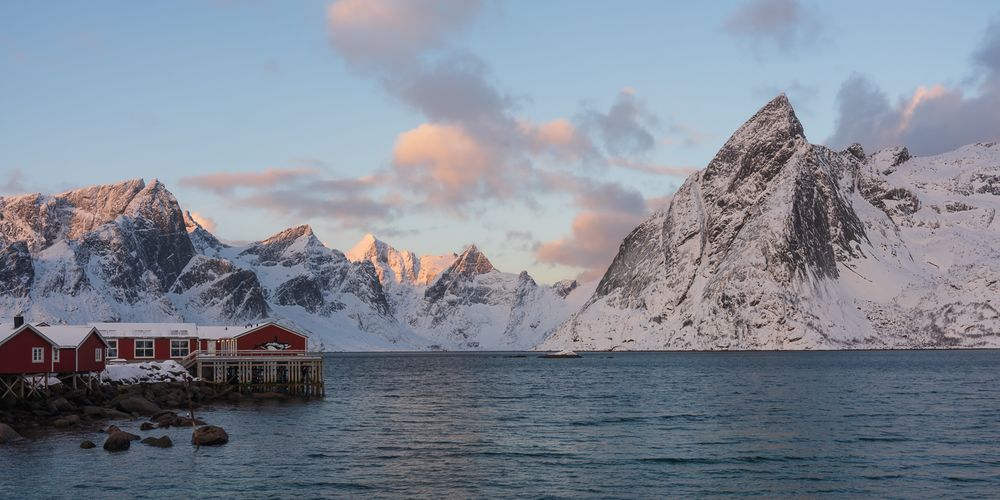
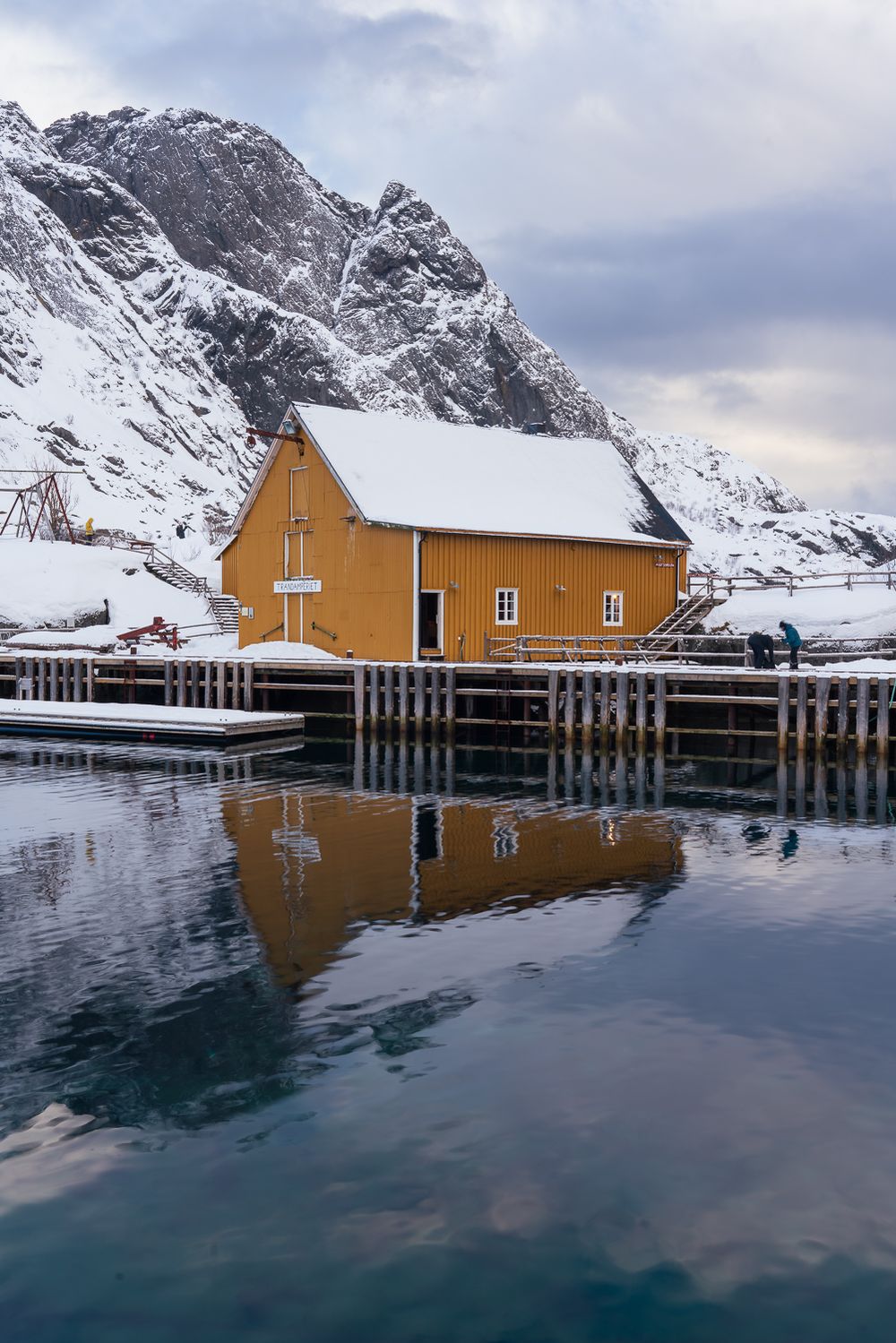
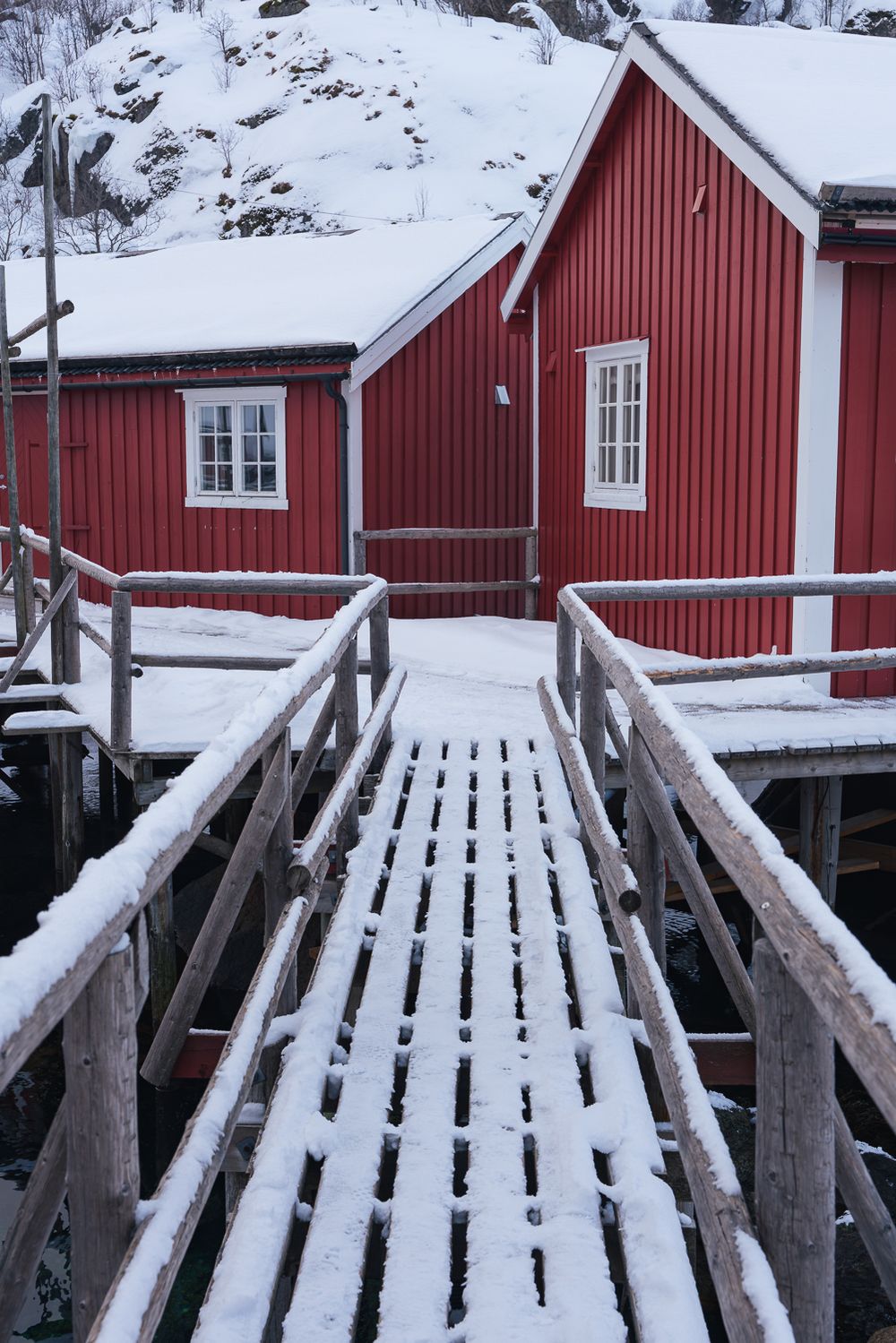
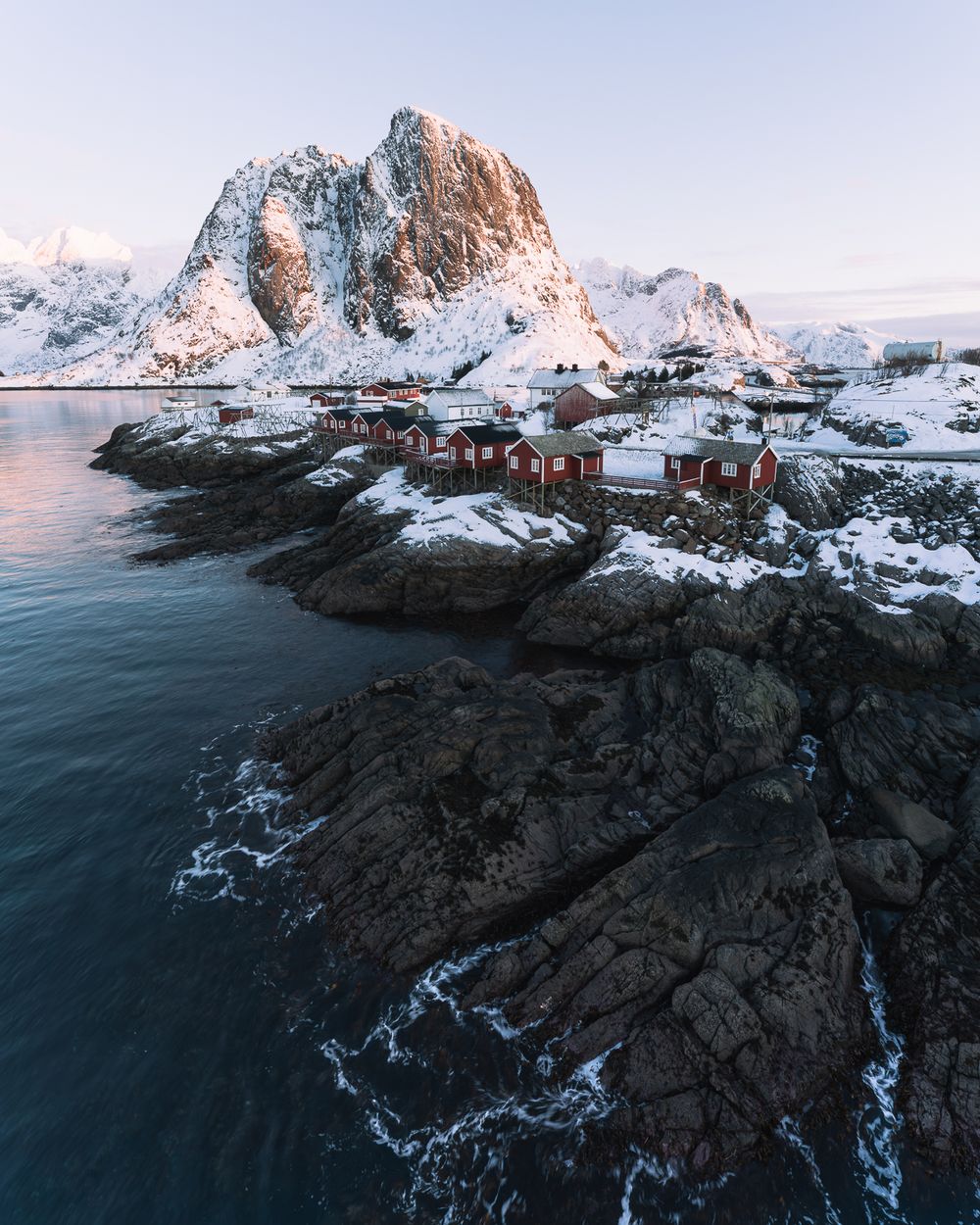
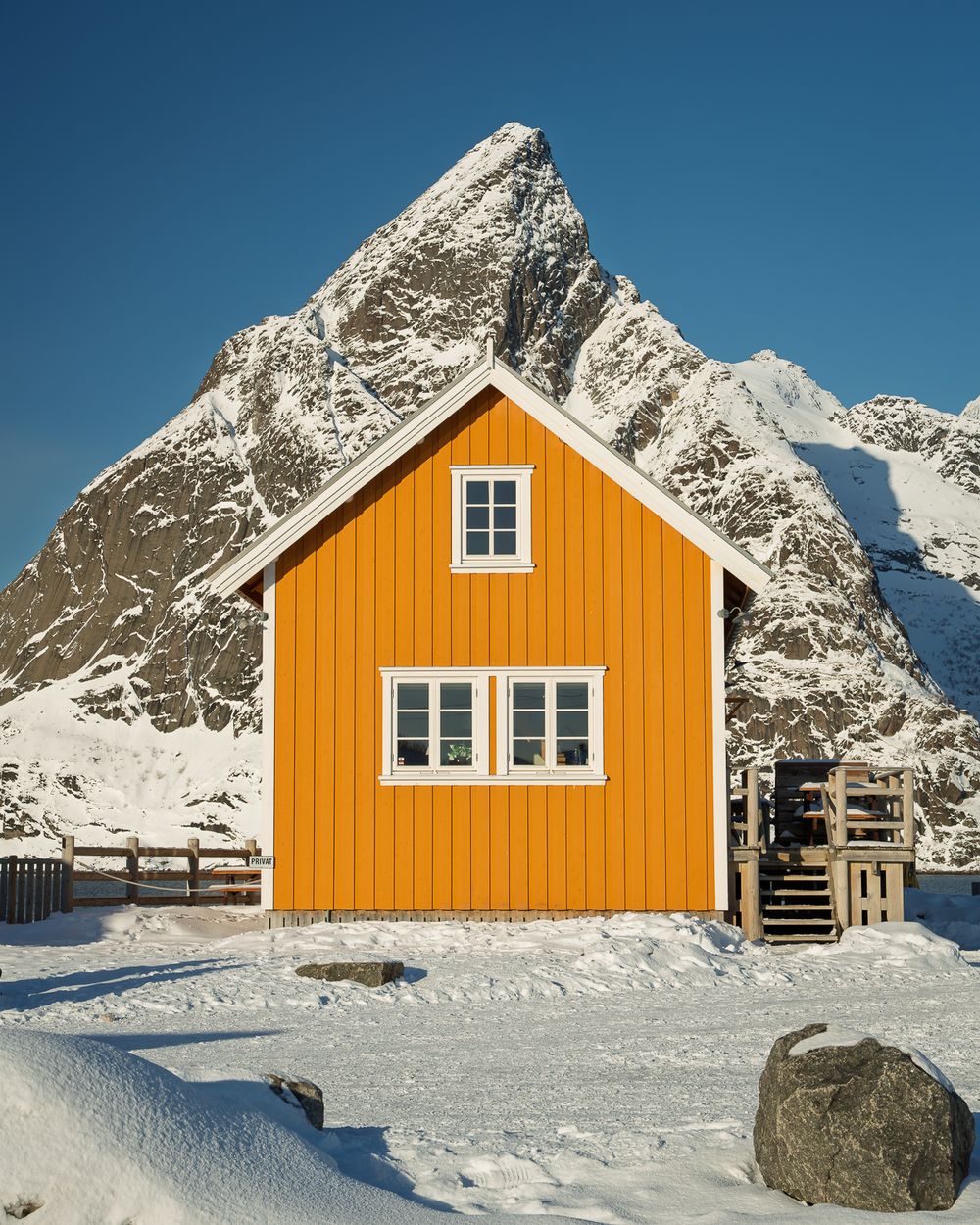
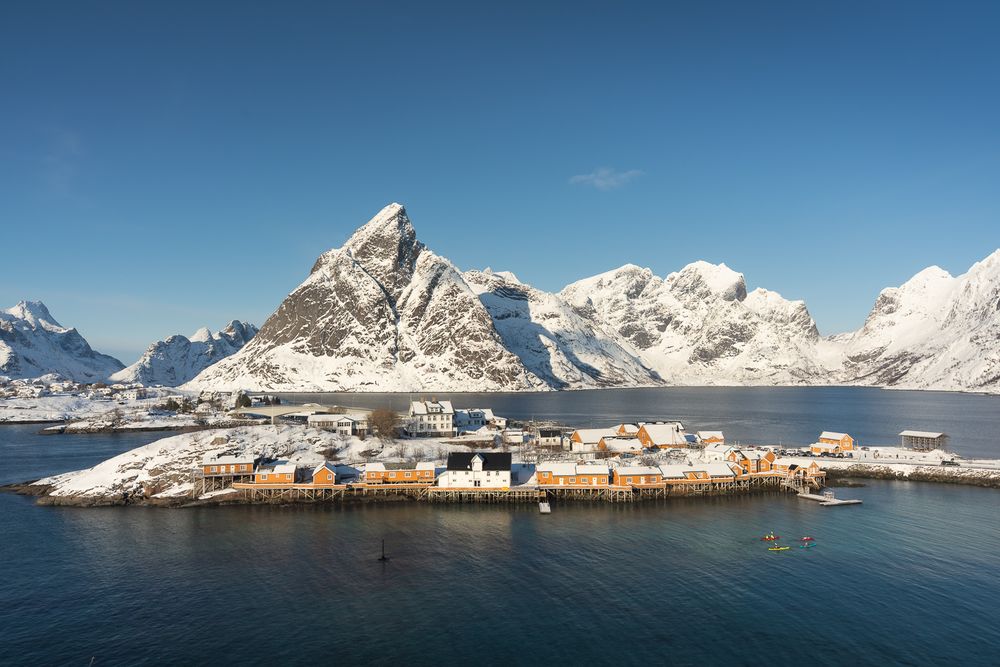
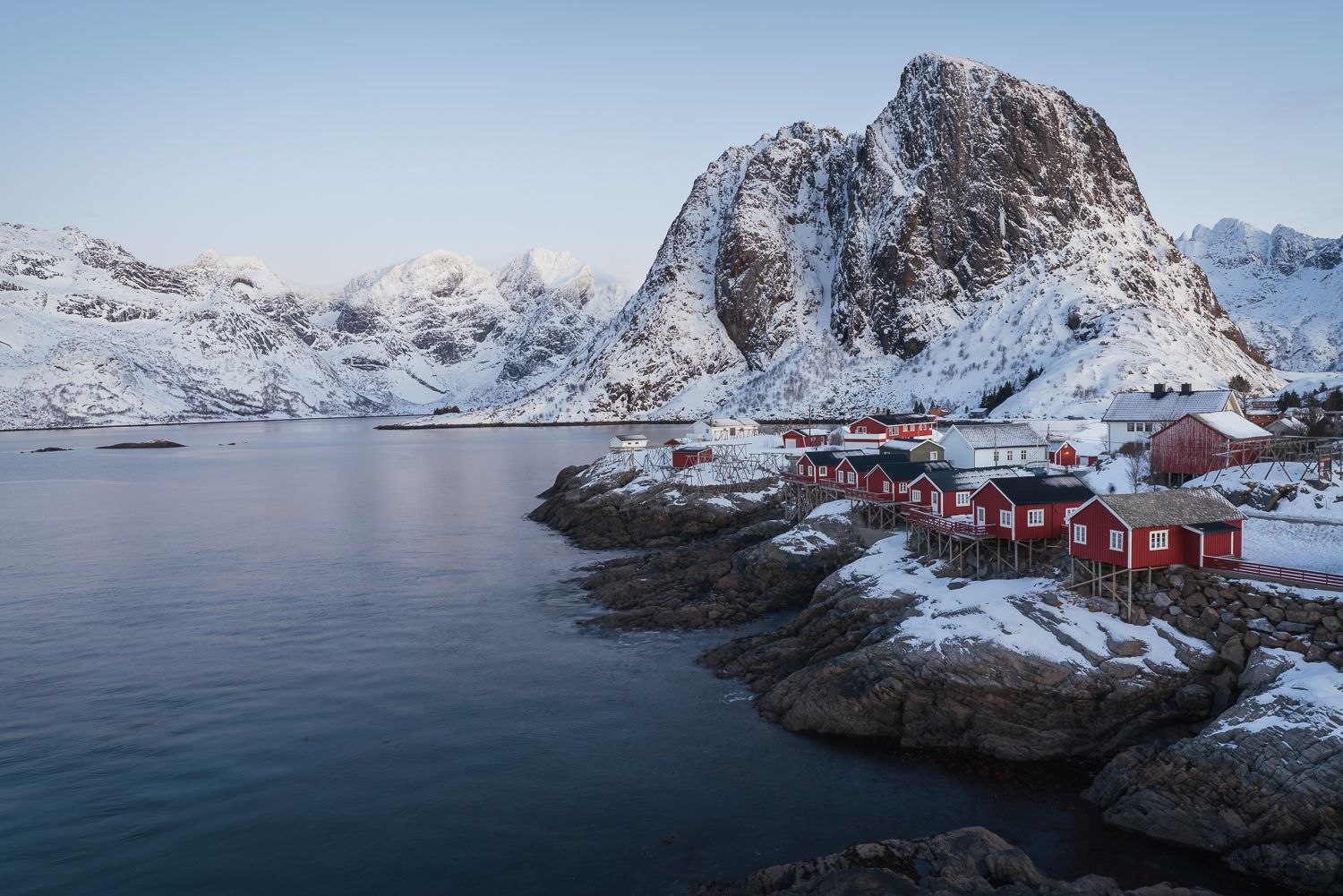
The rorbuer — those iconic fishermen's cabins painted red, yellow, and white, perched on stilts above the harbor — dot every cove and shoreline across the archipelago. Nowhere are they more striking than in Reine, where Olstinden mountain rises directly behind the harbor and the whole scene reflects in the still fjord water below. Nearby, the tiny island community of Sakrisøy clusters its golden-orange buildings at the edge of the water, surrounded on all sides by mountain and sea. One of those places that genuinely doesn't look real until you're standing in it.
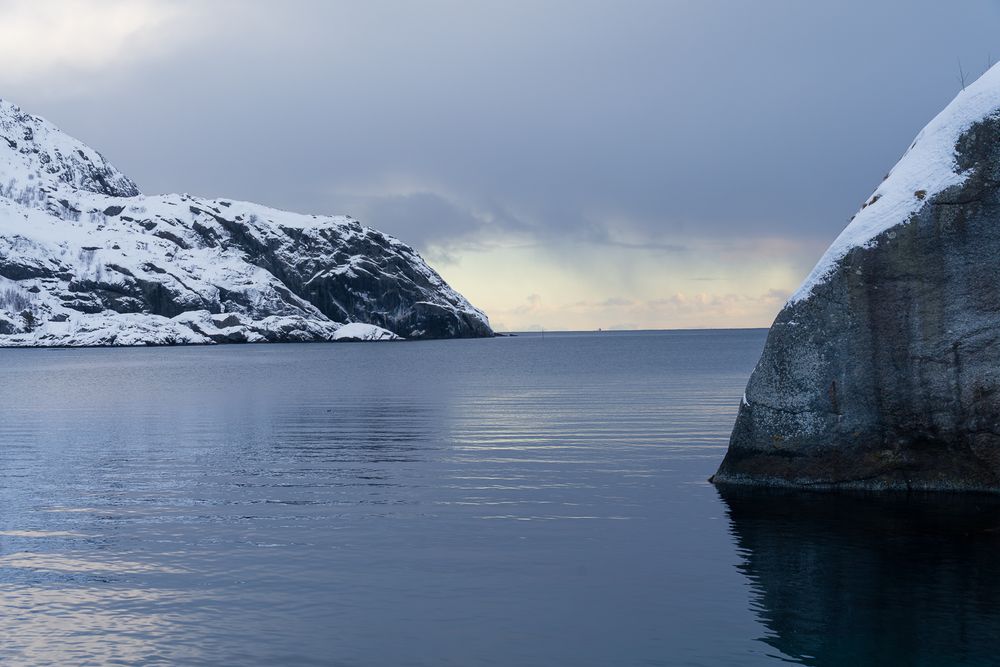
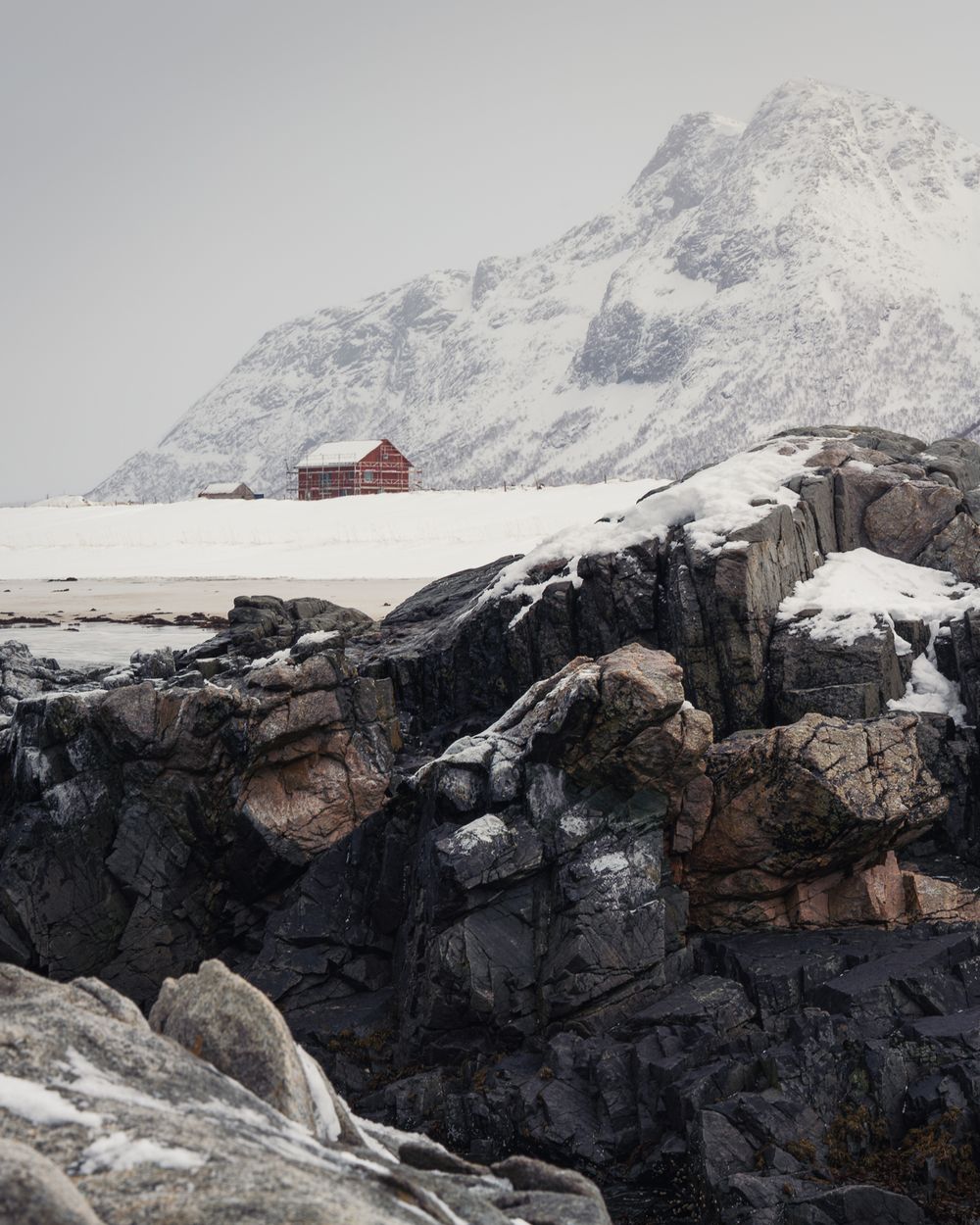
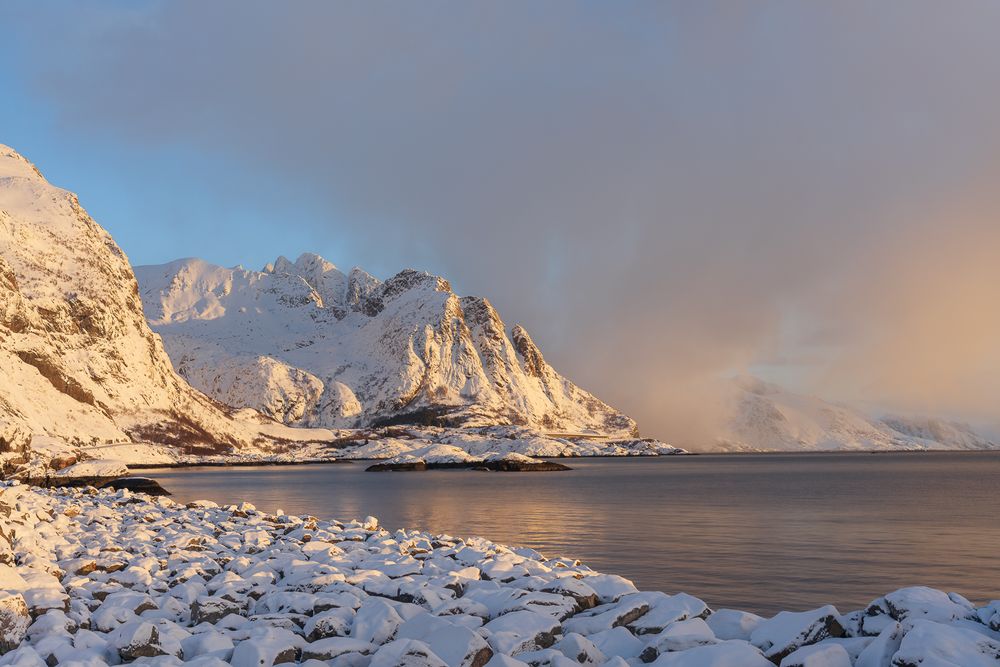
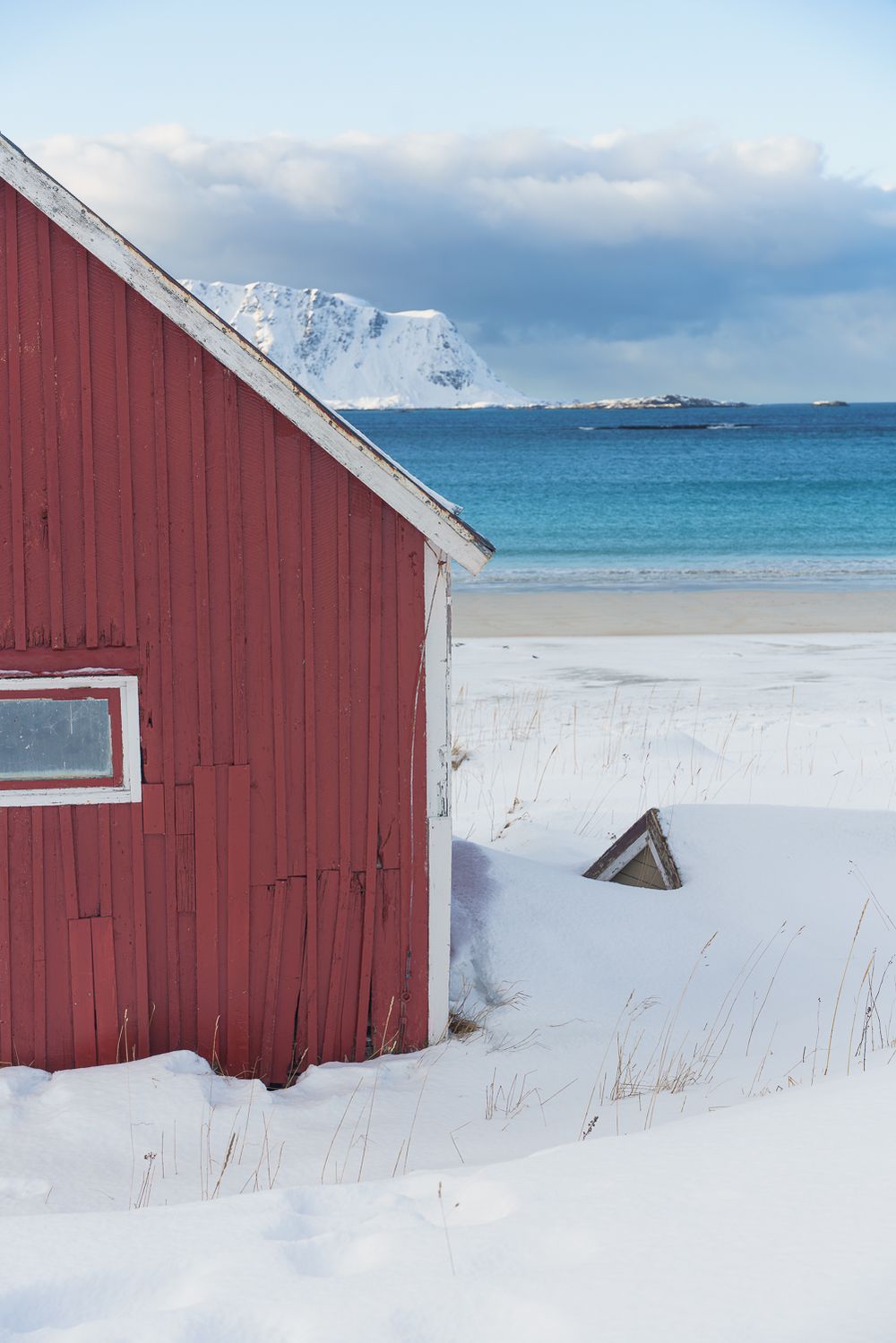
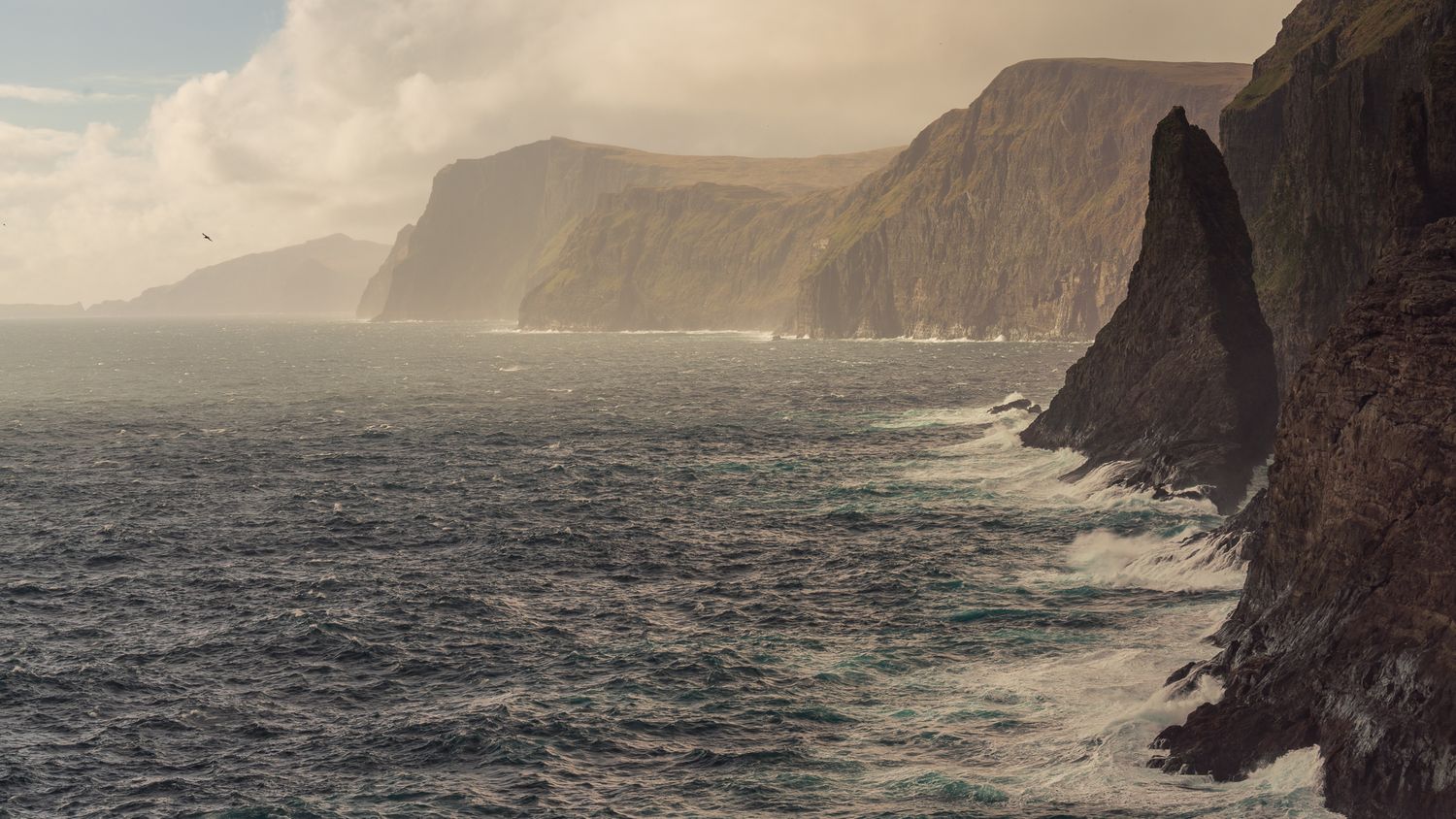
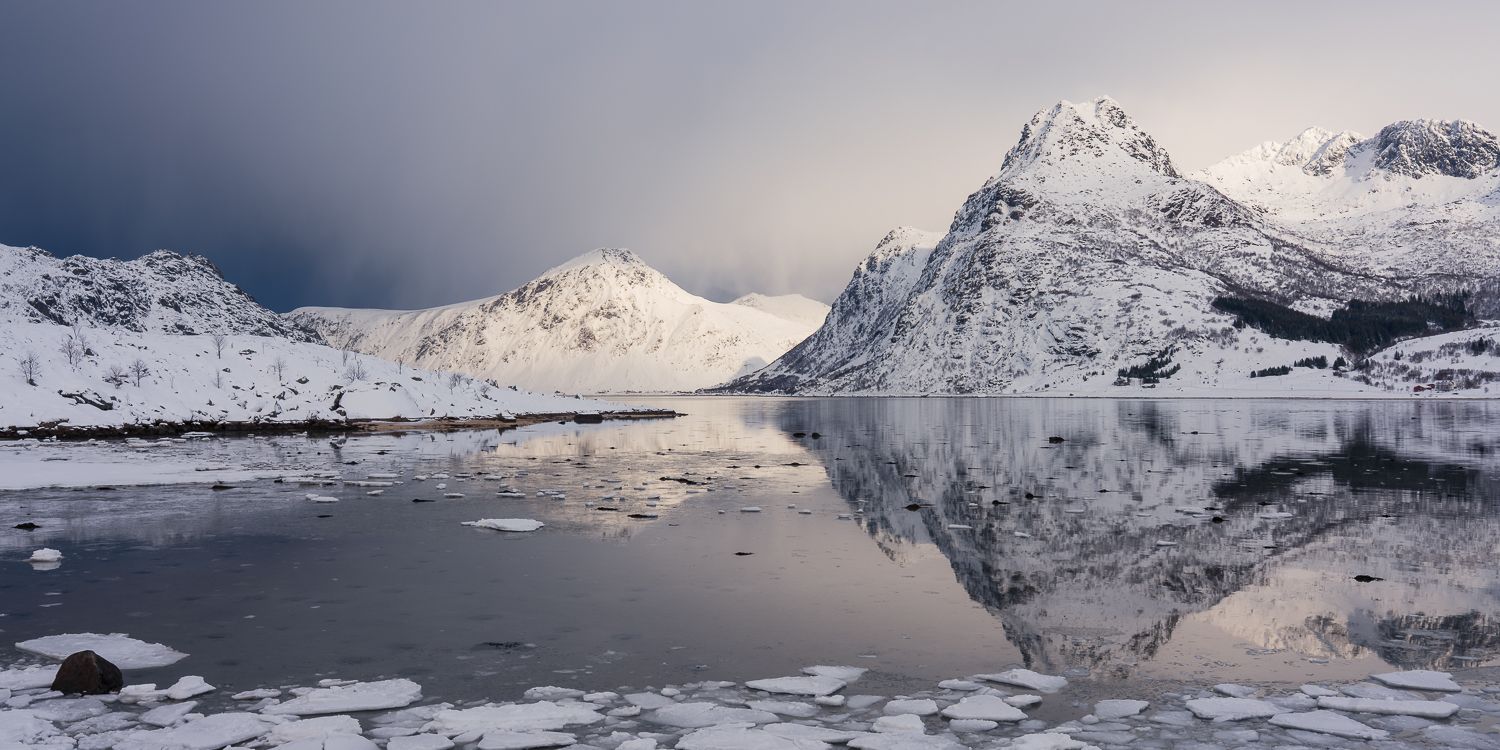
The coastline shifts constantly. One hour you're watching waves crash against volcanic rock in the blowing snow at Unstad Beach — a world-class surf destination, remarkably, even in February — the next you're standing in front of a mirror-still fjord reflecting the entire mountain range above it. Steep snow-covered peaks, shimmering harbors, water in a thousand shades of teal. It's hard to quantify. It's impossibly beautiful.
Five nights of aurora
And then there were the auroras.
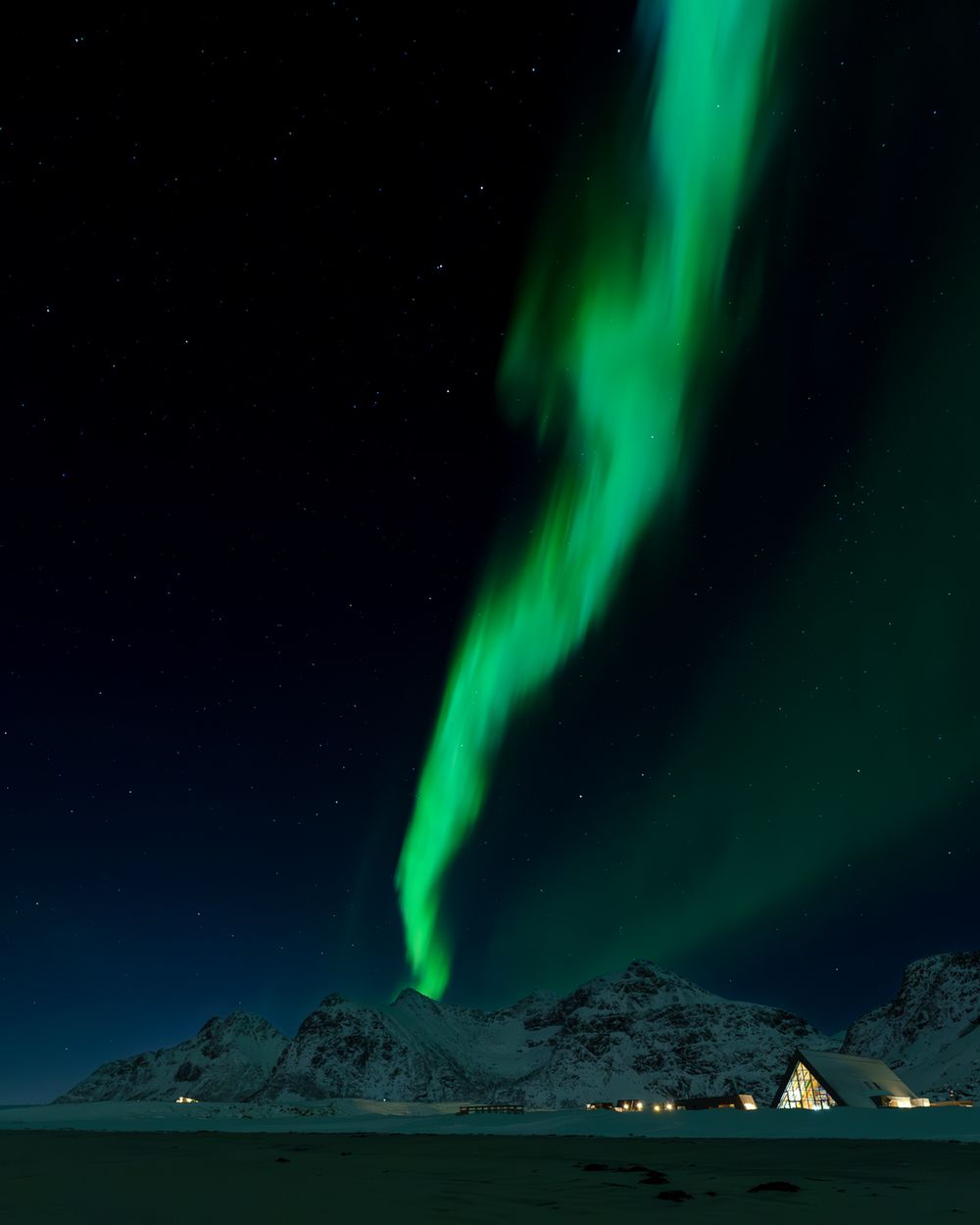
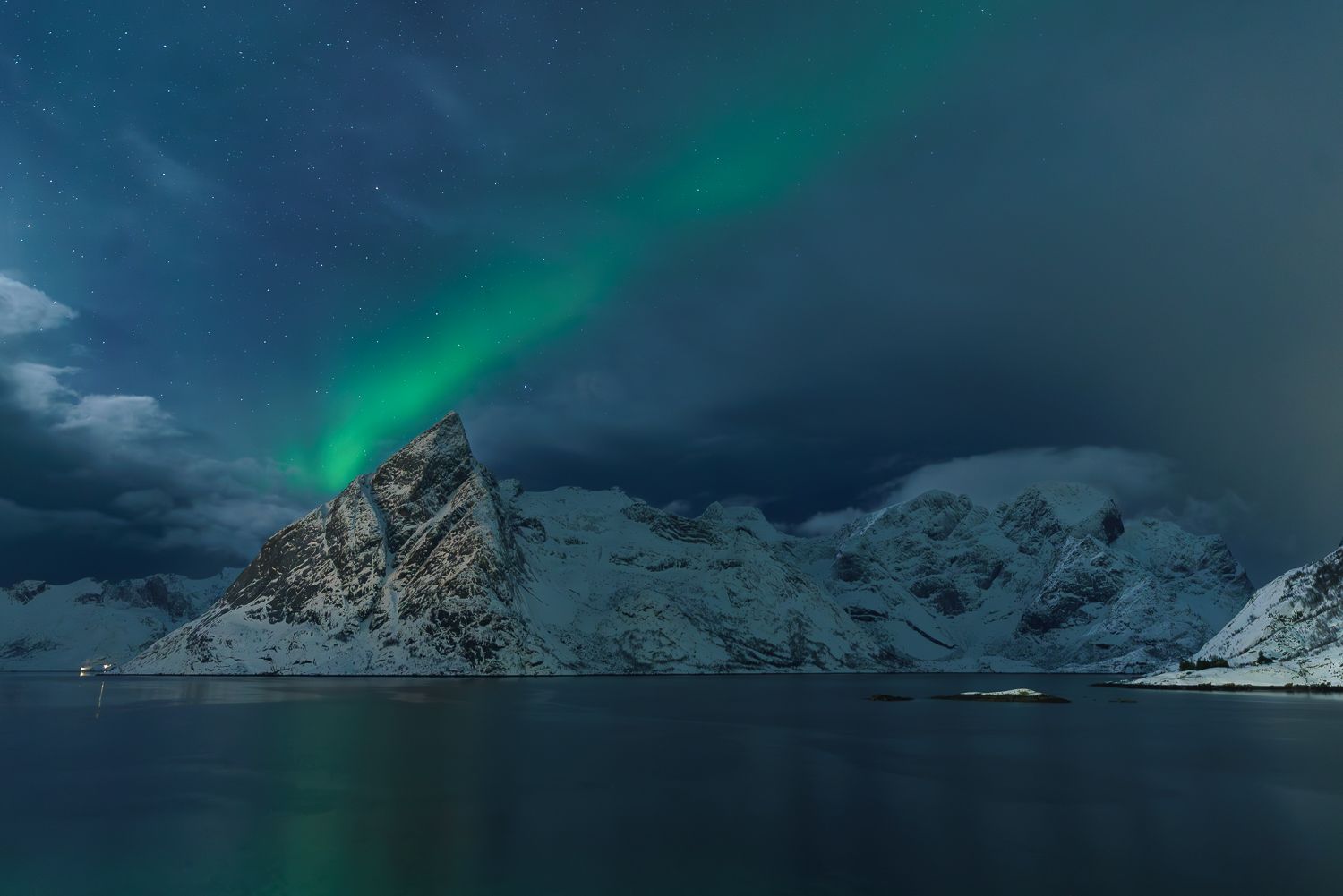
Our third night out, the sky erupted in green for hours. The lights danced in every direction at once, shifting and surging, and the people around me audibly cheered. I was simply in awe. What a thing. What an incredible thing. I shot until my fingers stopped working, and even then, I didn't want to stop.
On subsequent nights, the displays were no less extraordinary — long curtains of light arcing over the peaks in Reine, reflecting in the dark fjord water below Sakrisøy, filling the sky above the harbor at Nusfjord. Five nights of it. I still don't quite believe I was there for all of them.
What to know before you go
February is cold, dark for long stretches, and meteorologically unpredictable — which is precisely what makes it one of the best months for landscape photography and aurora viewing in Lofoten. The tourist crowds barely let up in winter, and the winter light, when it arrives, is extraordinary: low, golden, and fast-moving. Pack for serious cold, waterproof everything, and let go of any attachment to a fixed shooting plan. The weather will decide the agenda.
The E10 highway connects the main islands and makes driving the archipelago manageable even in winter conditions. That said, Northern Norwegians are vastly more experienced dealing with these conditions than most others. When in doubt, go with a tour group. Reine, Henningsvær, Å, and Nusfjord are all worth building time around. Svolvær serves as the main hub with the most accommodation options and the easiest ferry and flight connections.
What you'll find in this gallery is my best attempt to distill those seven days — the moody overcast mornings, the random patches of sapphire-blue sky, the golden storm-light afternoons, the blue hour harbor scenes, and those wild, unforgettable nights under the aurora. The Lofoten Islands have a way of making you feel very small and very alive at the same time.
Fair warning: you may find yourself looking up flights before you reach the end.