Copenhagen: Three Days, Two Legs, and More Pastries Than I Can Account For
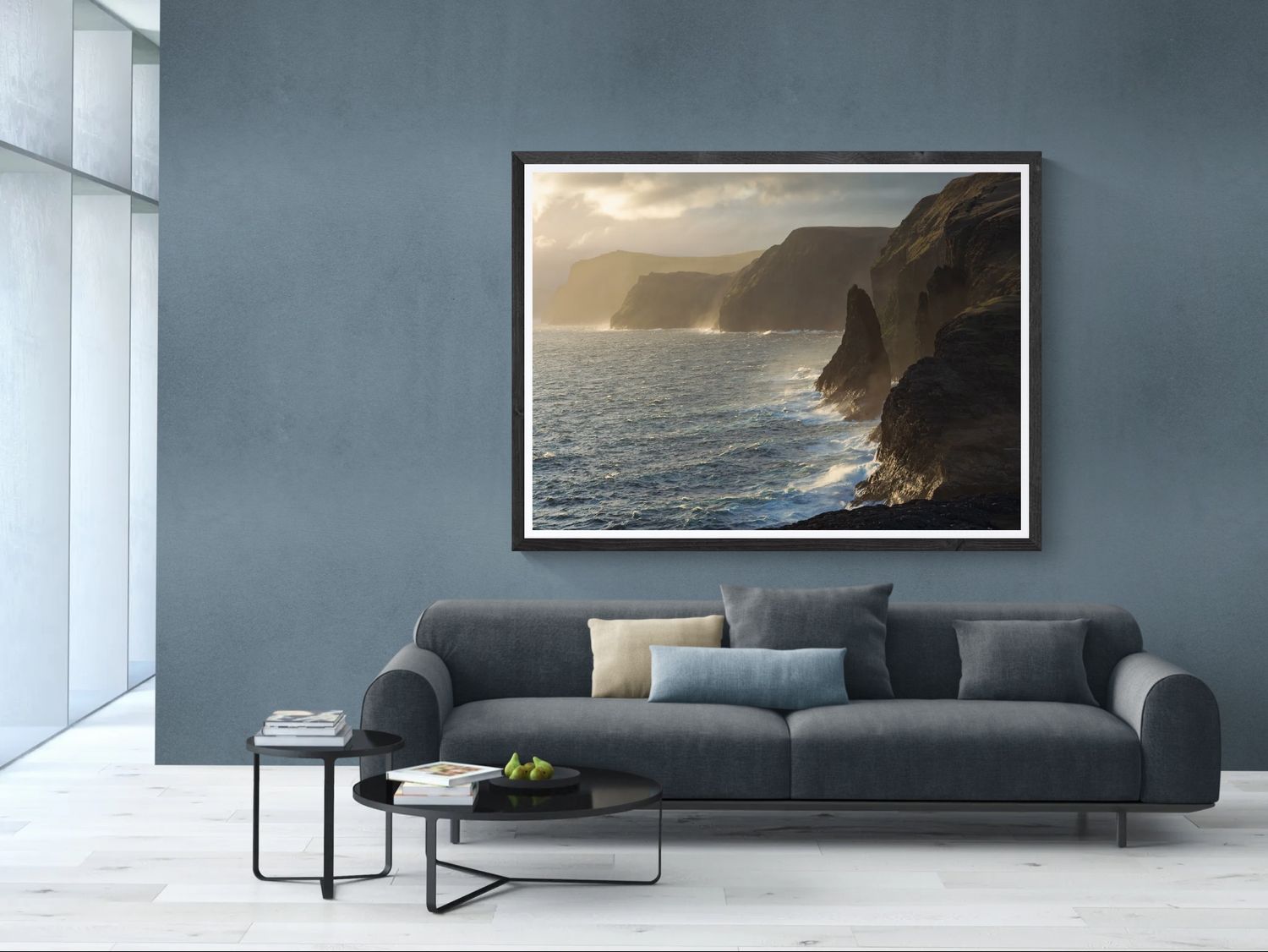
I added Copenhagen onto the end of my Faroe Islands trip on purpose. After a week of horizontal rain, volcanic cliffs, and terrain that required actual concentration to navigate, I wanted a city. Specifically, I wanted cobblestones and coffee and somewhere I could wander without checking the weather forecast every twenty minutes.
Copenhagen delivered all of that and then some. Three days, thousands of steps, and an embarrassing number of pastries later, I understood why this city consistently tops the lists for livability, design, and general quality of life. Denmark's reputation as one of the happiest countries on earth is not accidental — it's built into the physical fabric of the place.
What solo travel looks like here
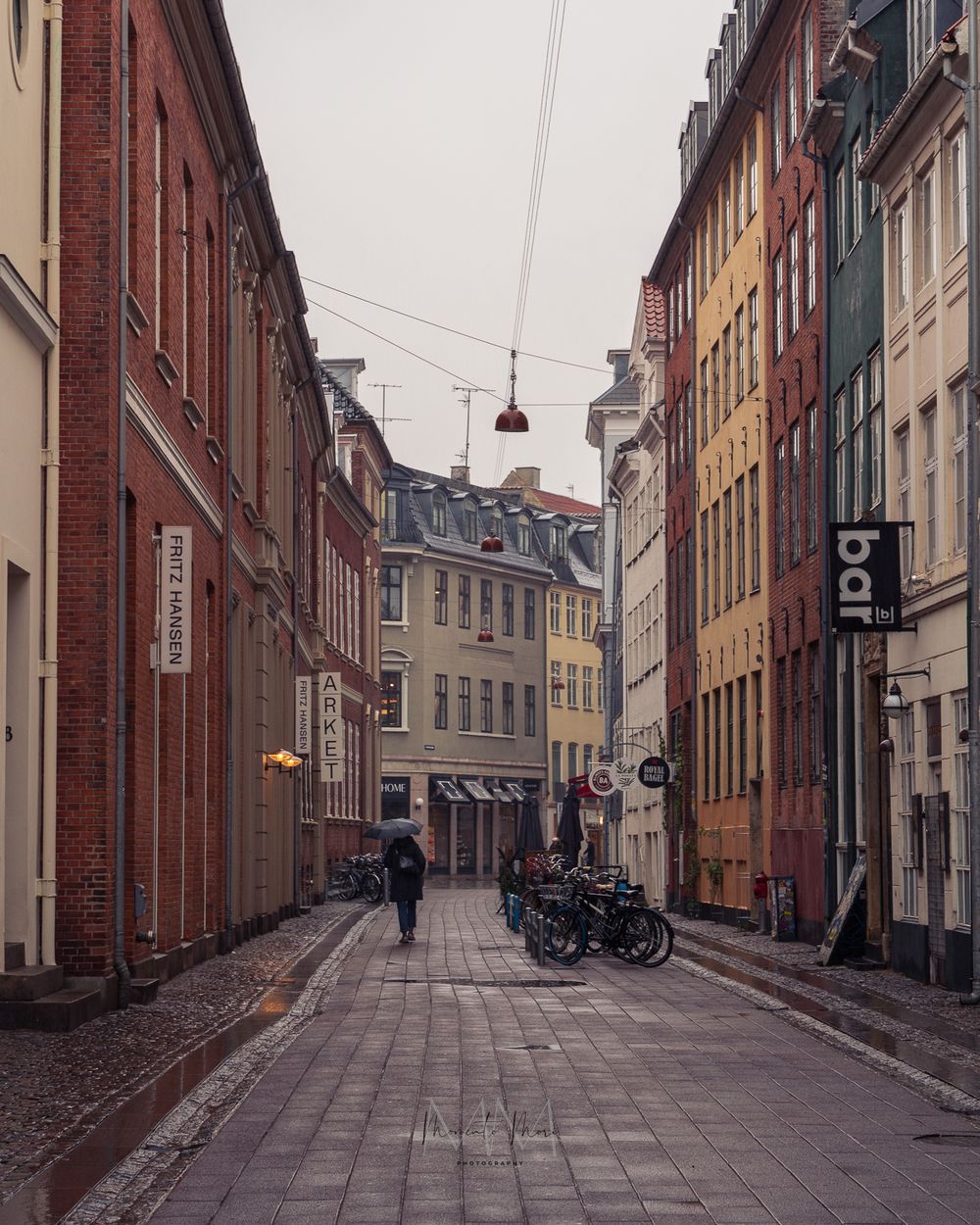
Each morning, I left my hotel with my camera and picked a direction. That's genuinely the whole strategy, and it worked every time. Copenhagen is extraordinarily walkable — the kind of city where you set out for one thing and end up somewhere better entirely by accident. It's also exceptionally safe and easy to navigate, which makes it one of the more relaxed solo city experiences I've had. The locals are friendly in a low-key, unperformative way that I found immediately charming.
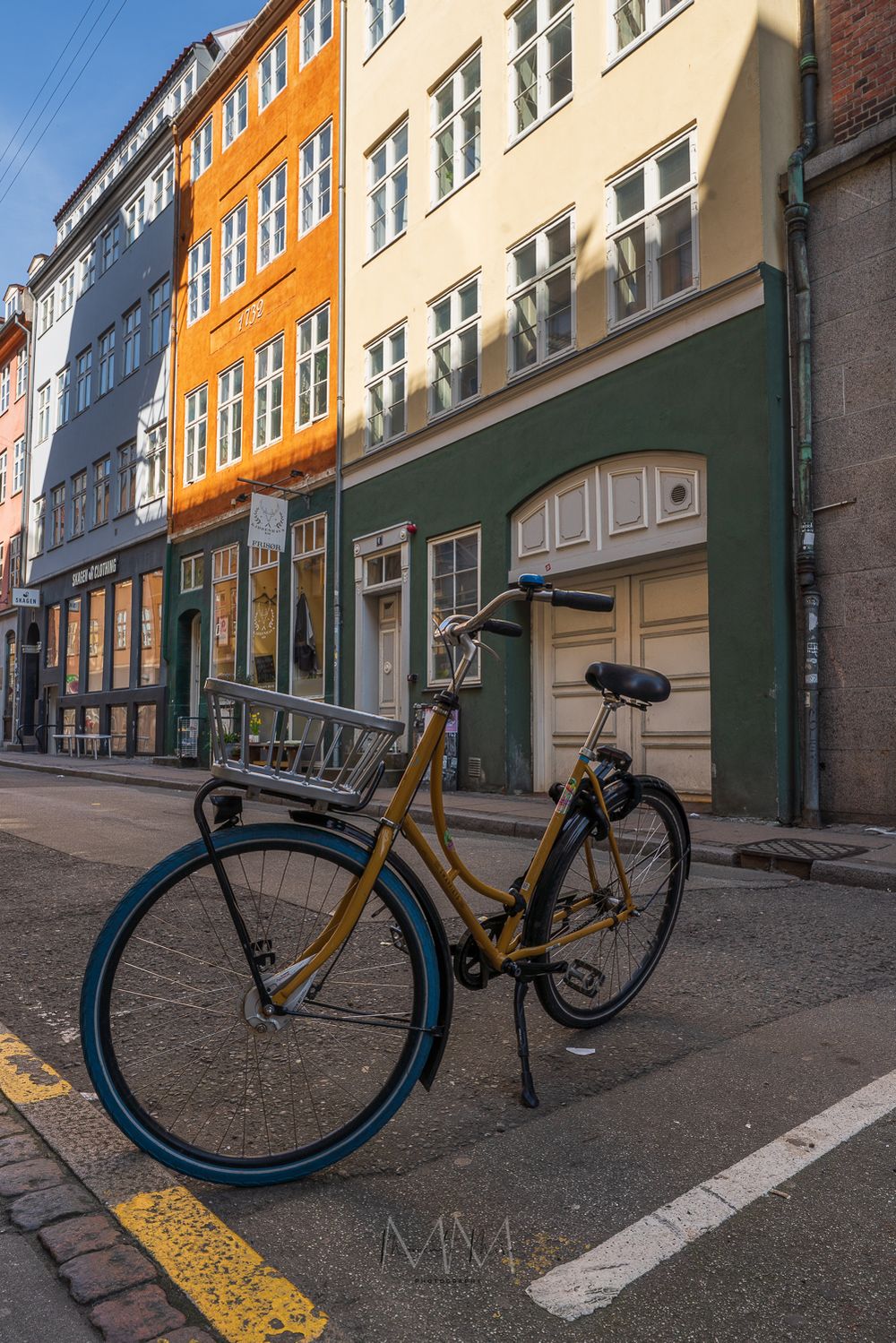
The bicycle culture deserves its own mention. I have never seen so many bicycles moving so purposefully in my life. Cyclists here have dedicated lanes, dedicated signals, and an air of quiet authority over the entire street. As a pedestrian, you learn quickly to check for bikes before stepping anywhere.
What to photograph in Copenhagen
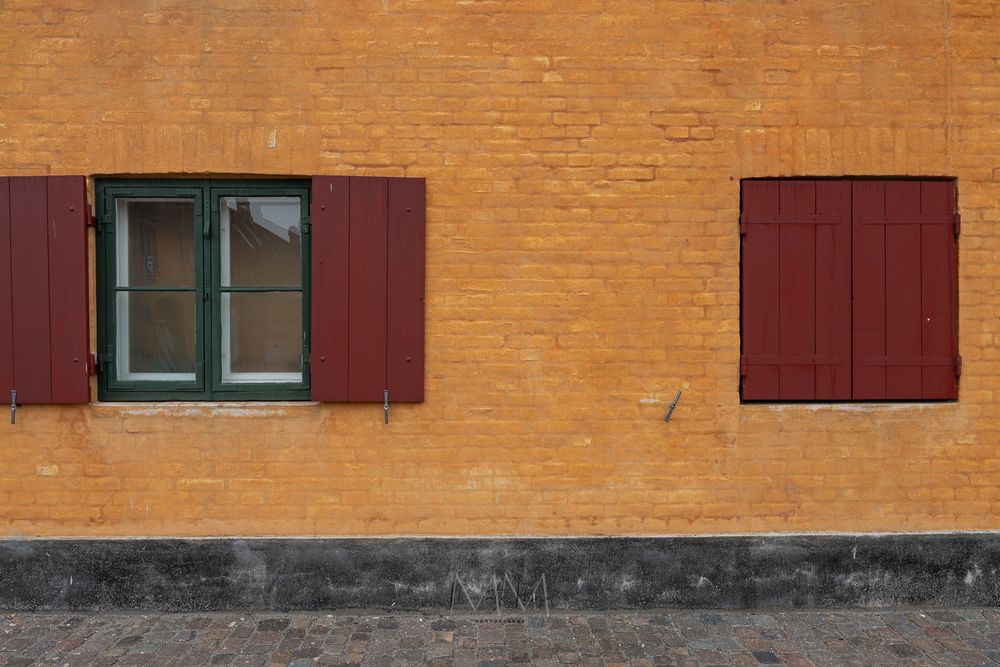
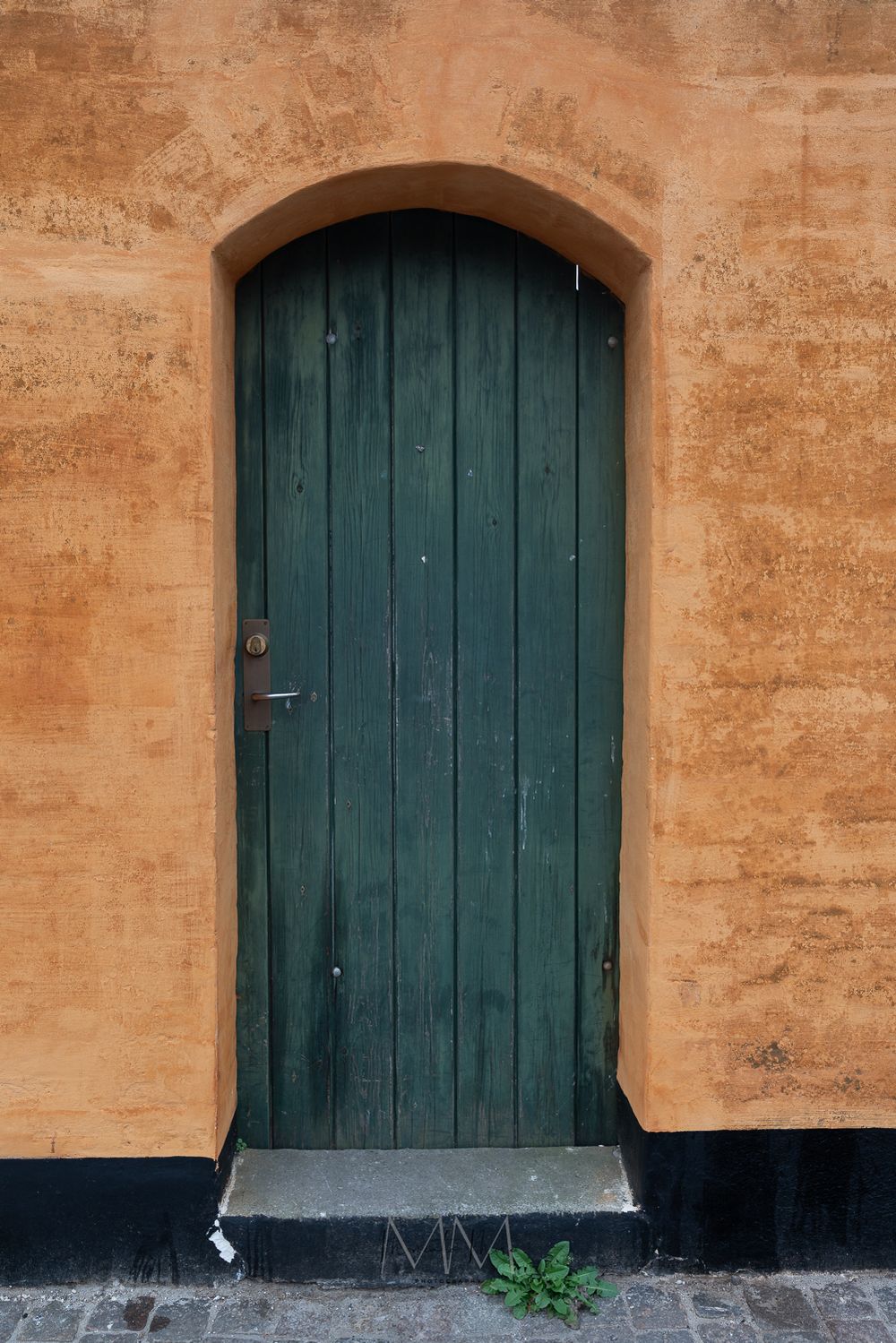
For photographers, the city is relentlessly generous with material. A few highlights:
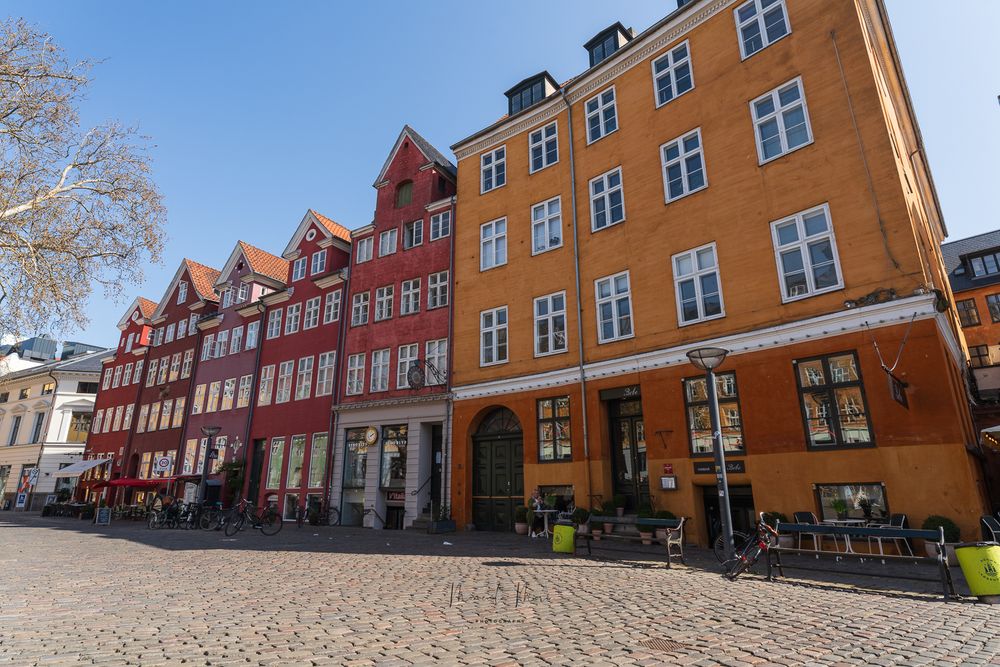
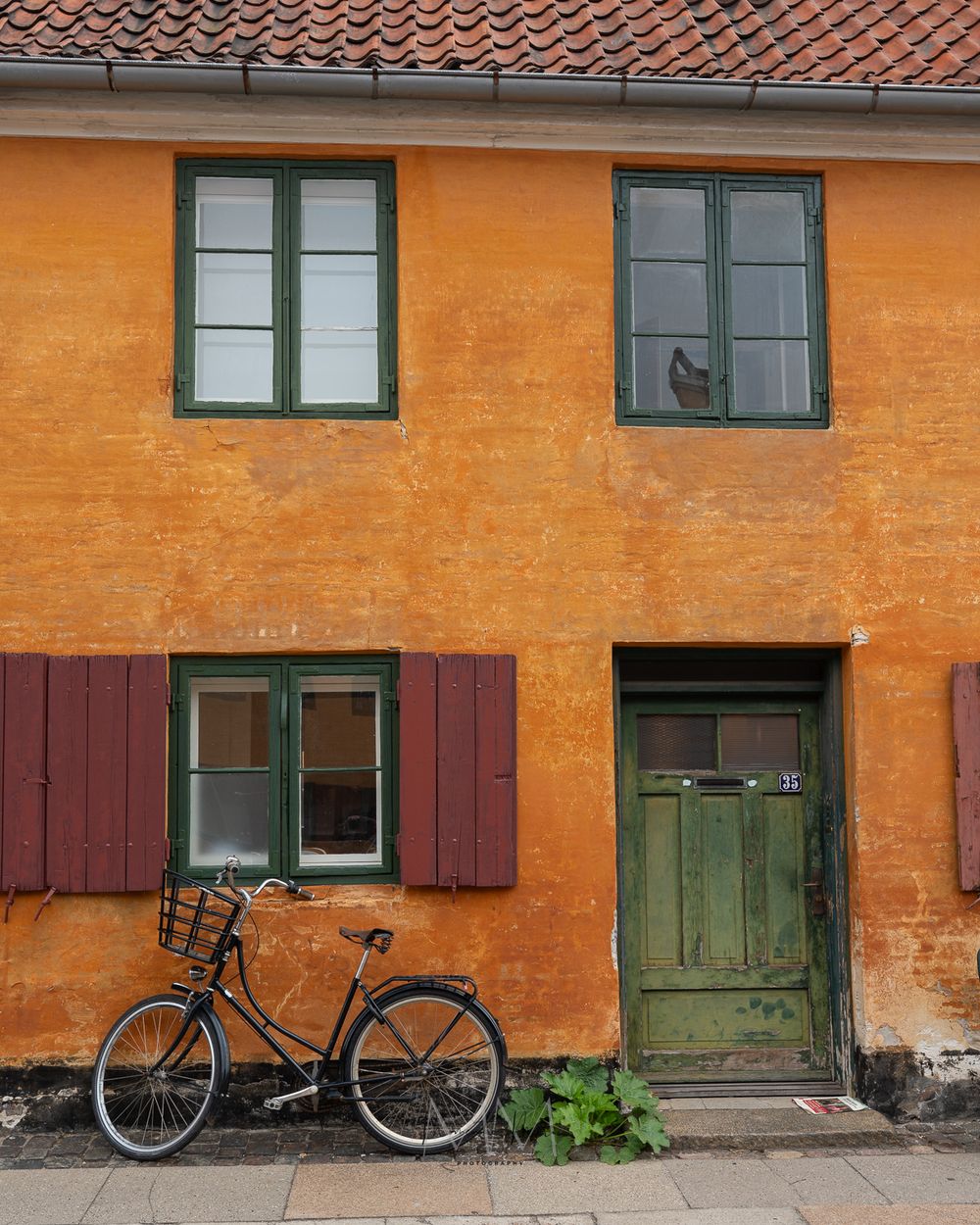
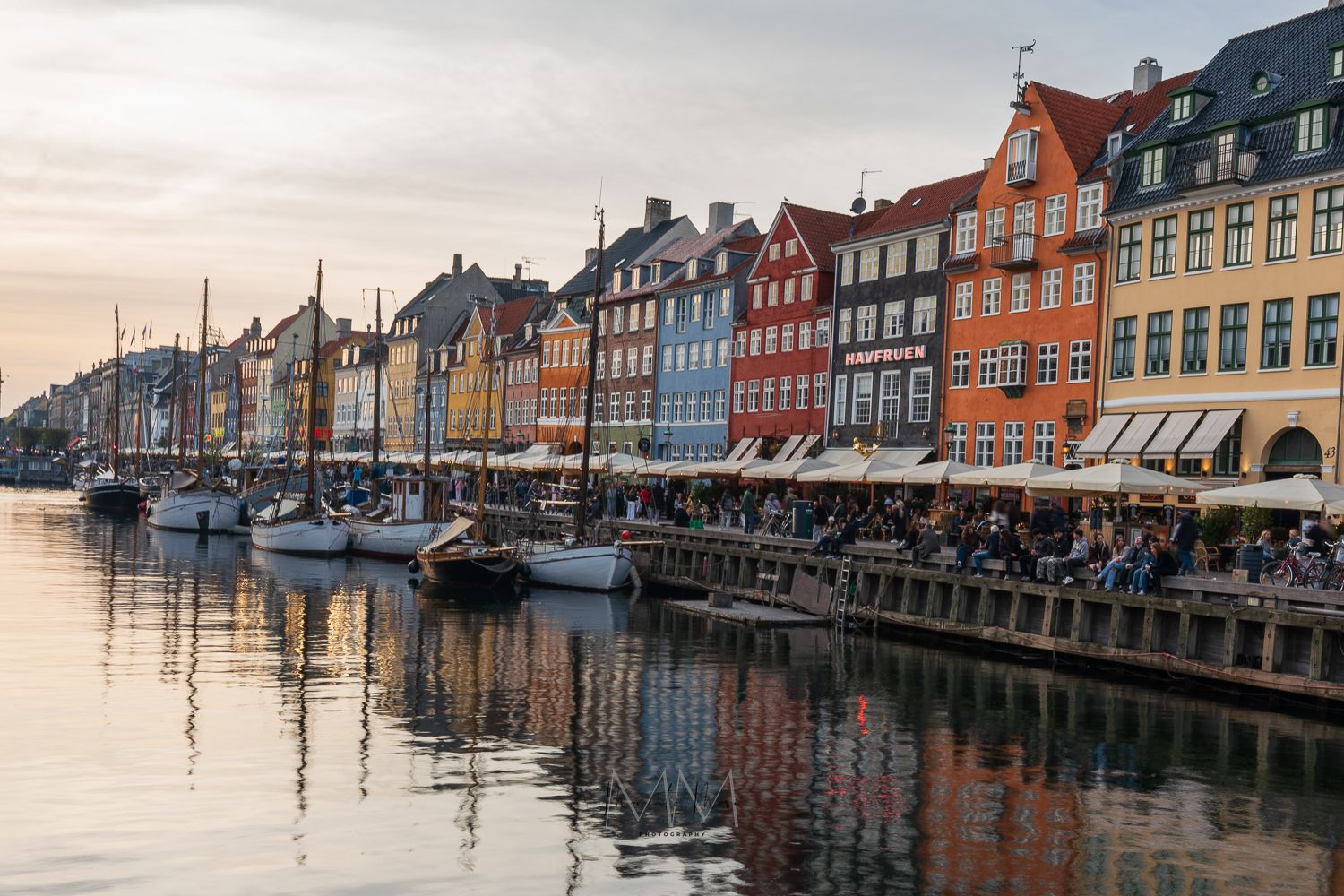
Nyhavn is the obvious starting point — the 17th-century canal lined with painted townhouses is iconic for good reason, and the light on those facades in the morning is worth setting an early alarm. Go before the tourist crowds arrive and you'll have the waterfront nearly to yourself.
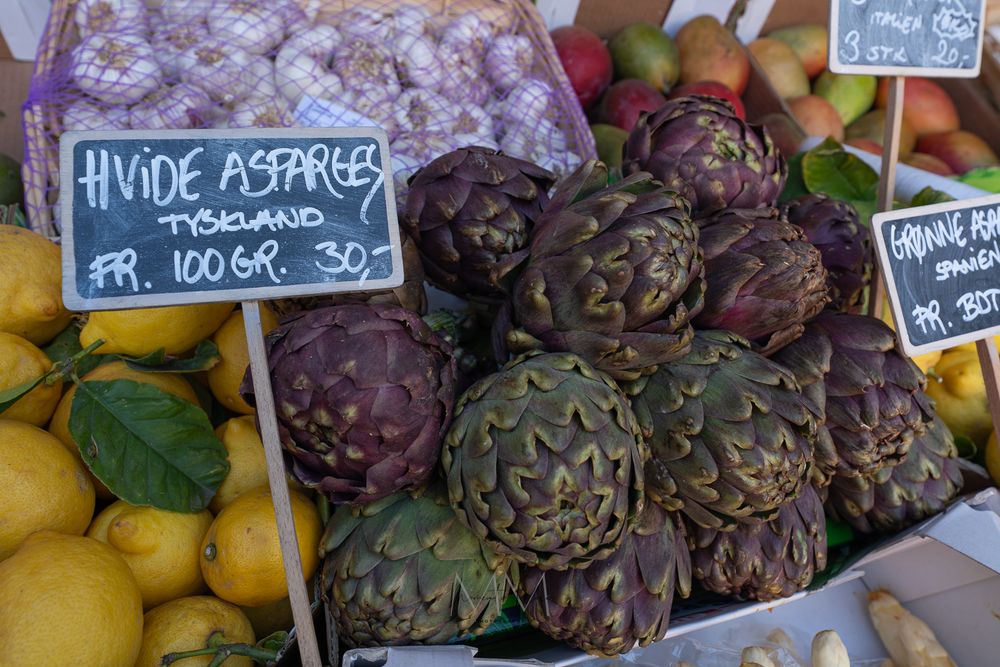
The food markets — especially Torvehallerne — offer some of the best close-up and documentary shooting in the city. The color, the texture, the vendors, the produce. I could have spent an entire morning there.
The Design Museum Denmark earns its own visit both for the collection and the building itself. If you have any interest in Scandinavian design — furniture, ceramics, fashion, graphic design — this is a genuinely excellent museum.
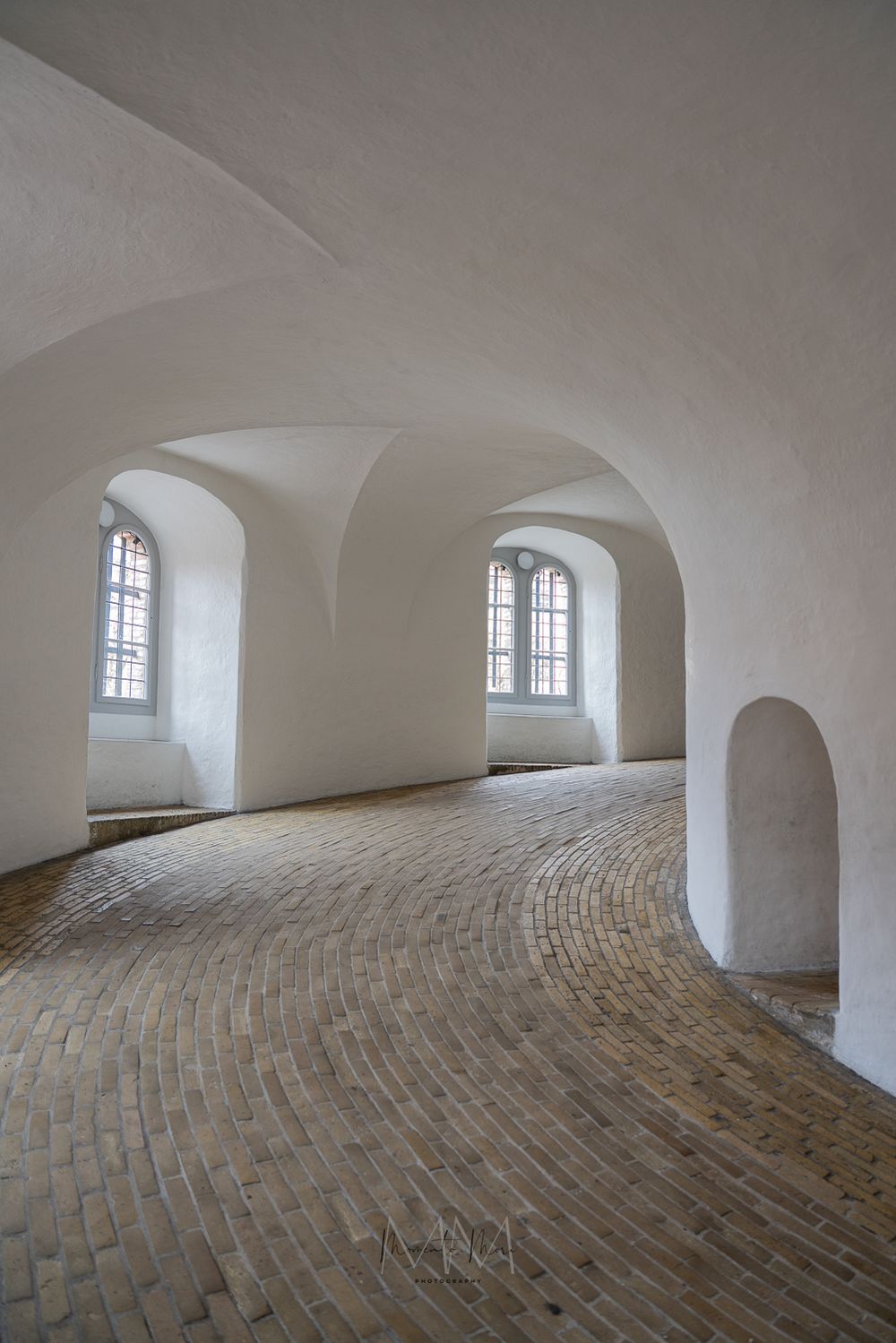
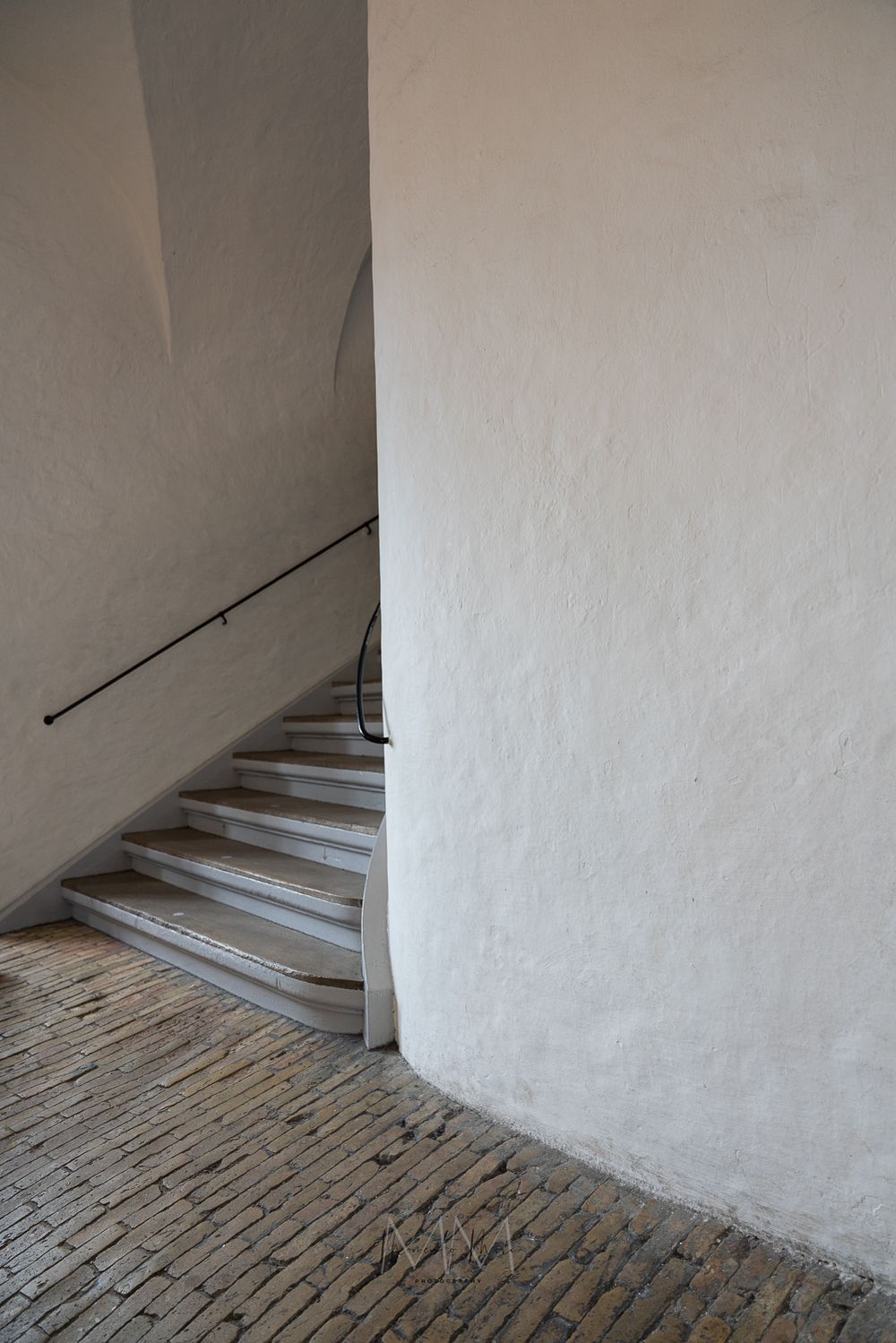
Rundetaarn, the 17th-century round tower in the Latin Quarter, gives you a panoramic view over the rooftops and a genuinely unusual interior ramp (no stairs — you spiral up). Worth the climb.
The Botanical Garden surprised me. Quiet, green, and beautiful, with a Victorian-era palm house that photographs extraordinarily well.
The food
The pastries are not optional. The Danish approach to baked goods — the cardamom, the laminated dough, the general seriousness about butter — produces results that make most other pastries feel like a missed opportunity. Find a local bakery, not a chain, and budget time to sit with your coffee. This is not a city that rewards rushing.
Practical notes for visiting Copenhagen
Three days is enough to feel the city without being frantic about it, especially if you're on foot and willing to wander. The city center is compact and the neighborhoods flow naturally into each other — Nørreport, the Latin Quarter, Nyhavn, Christianshavn. A Copenhagen Card is worth considering if you plan to hit multiple museums; otherwise the walking will take you everywhere you need to go for free.
Copenhagen makes an easy connection from the rest of Scandinavia and serves as a natural hub for trips to Norway, Iceland, and the Faroe Islands — which is exactly how I used it.