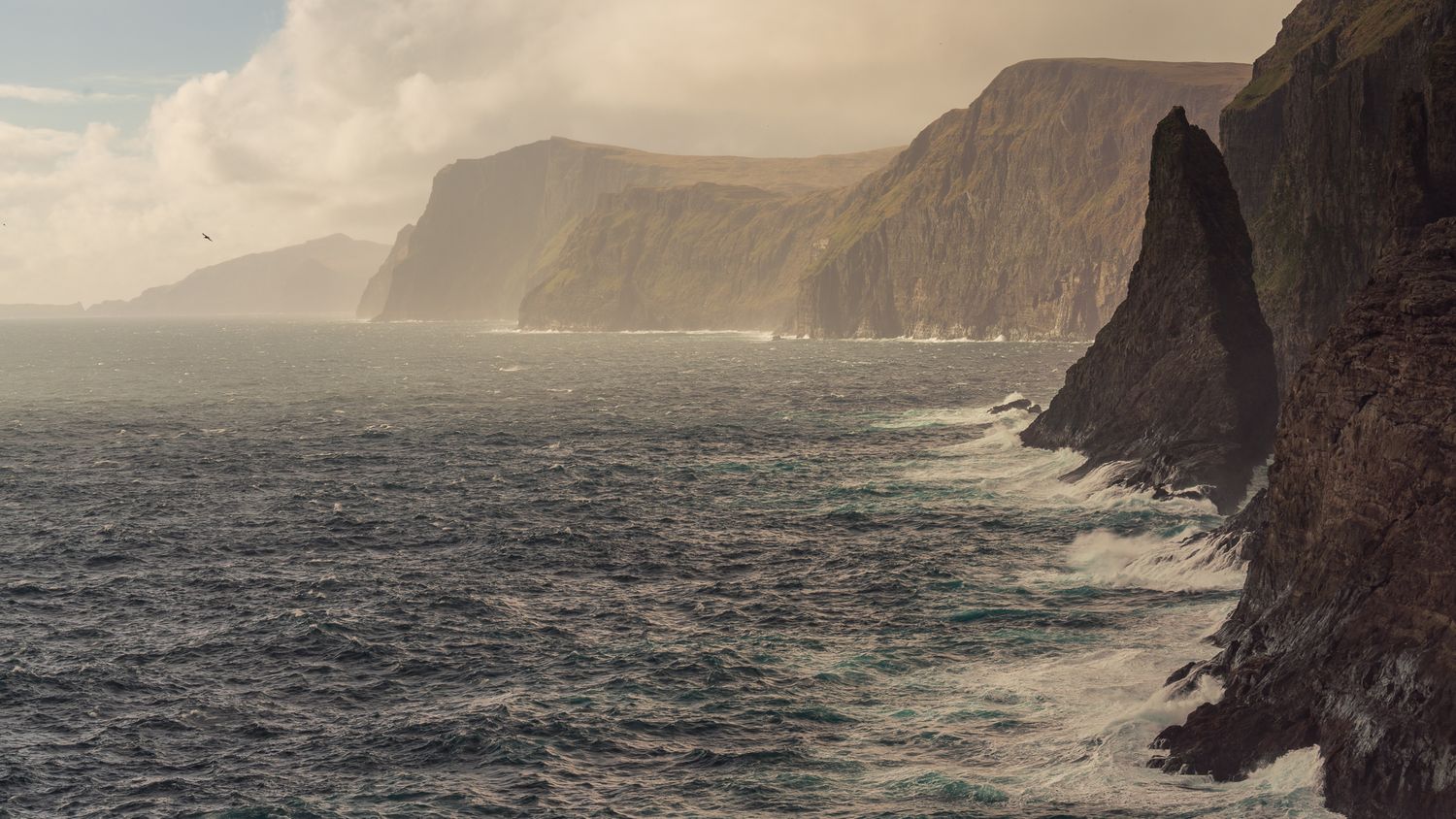
A wet + Windy Week Exploring the scenic Archipelago
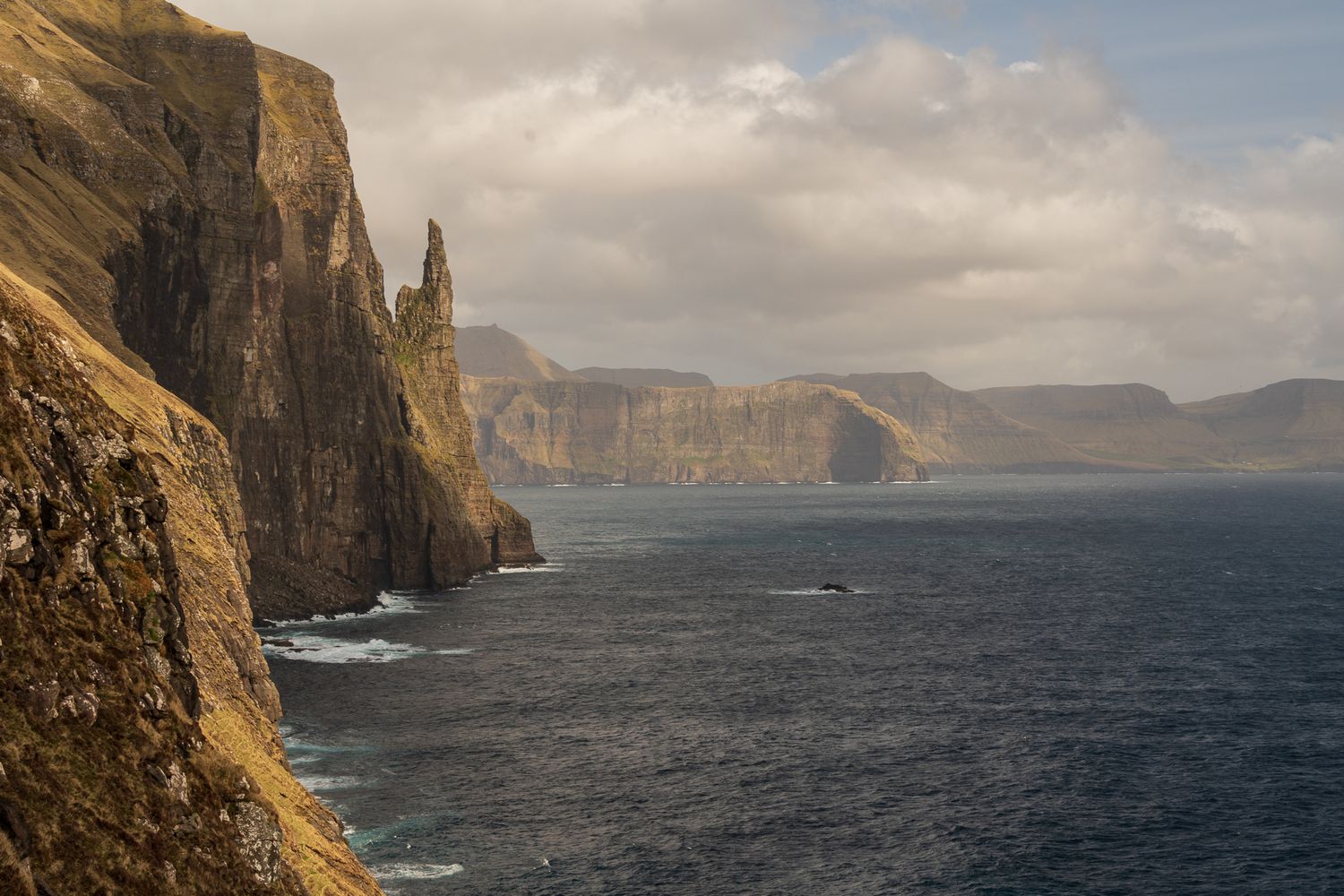
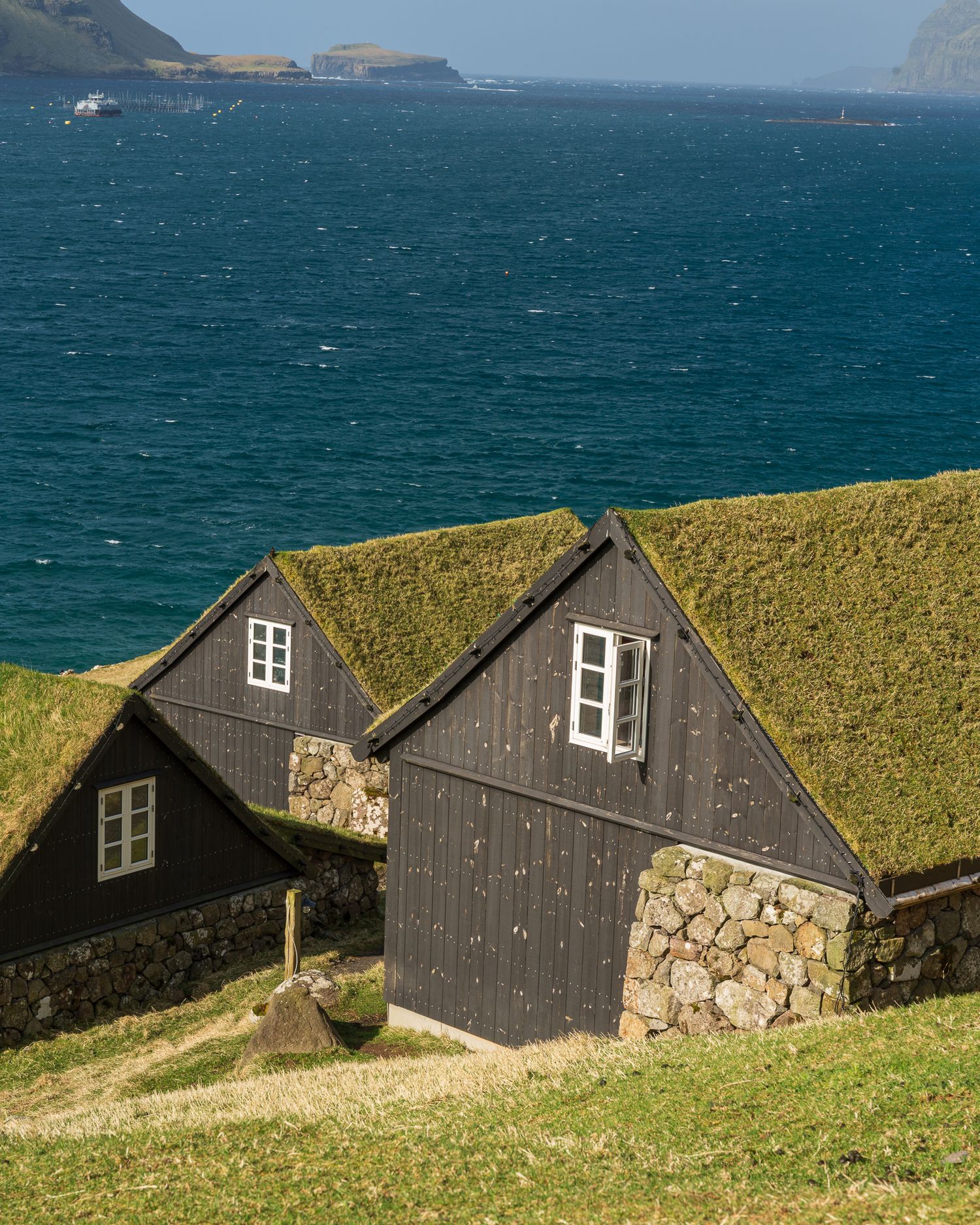
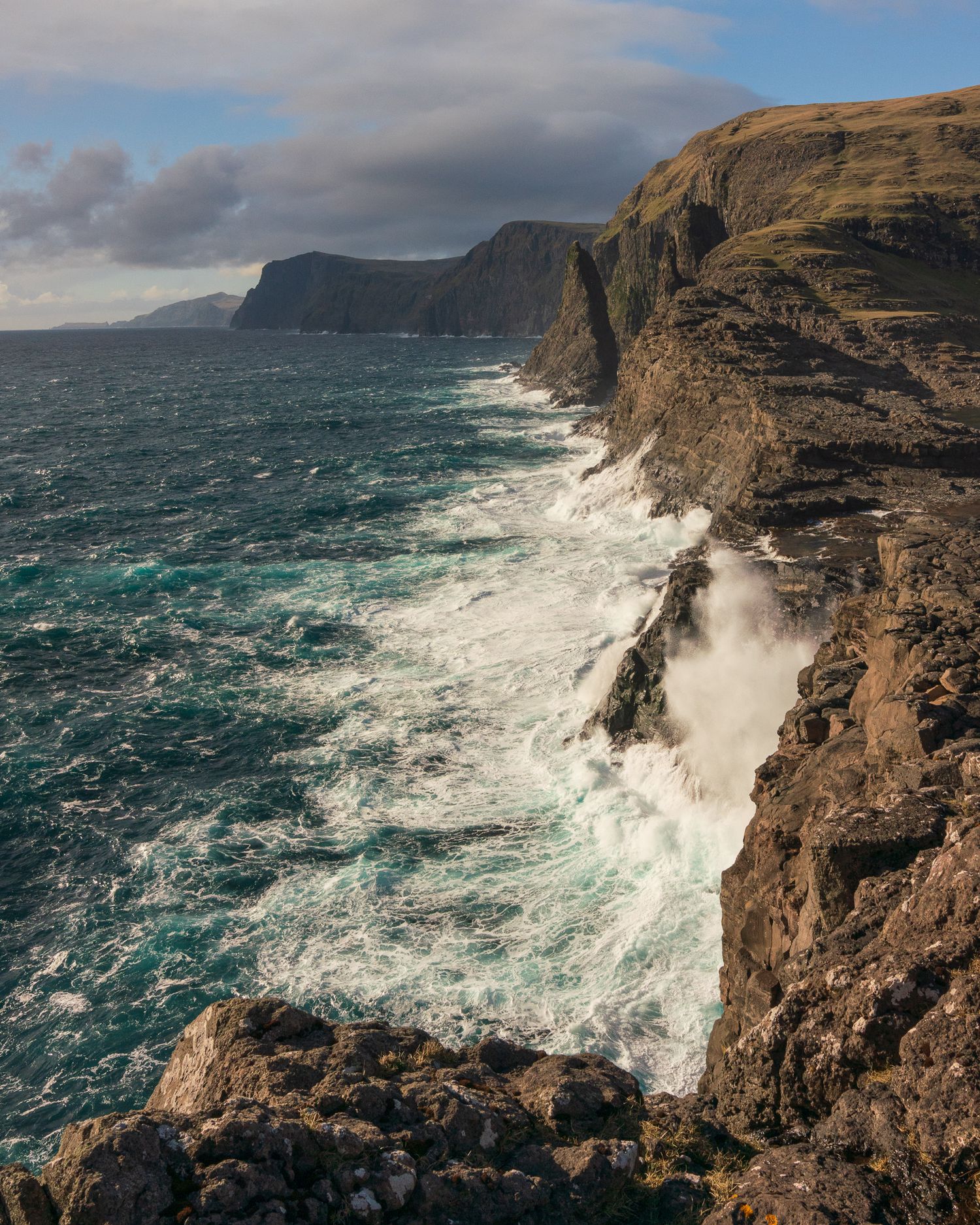
The Faroe Islands offer a kind of bucolic Nordic beauty that I don't think exists anywhere else on earth. An archipelago of 18 volcanic islands rising dramatically from the North Atlantic between Norway and Iceland, the Faroes sit at one of those rare geographic intersections where the landscape seems almost impossible — vertiginous sea cliffs dropping straight into the ocean, turf-roofed villages clinging to hillsides, and yes, sheep. Sheep absolutely everywhere. They outnumber the roughly 54,000 human residents by a significant margin, and they have the right-of-way on pretty much every trail and road.
I spent a week here with wet boots, a constantly fogged lens, and one of the most dramatic photography experiences of my life.
What to expect from Faroese weather (honest answer: all of it)
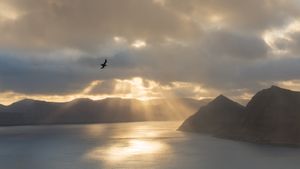
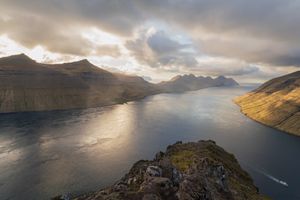
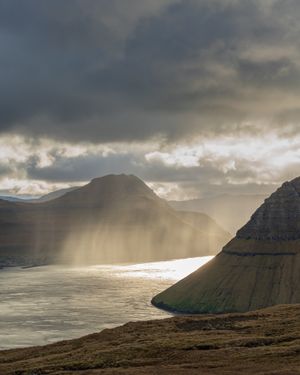
The temperamental weather isn't a bug — it's the whole feature. Conditions can shift from sunshine to horizontal rain to eerie, milk-white fog in the space of twenty minutes. For landscape photographers, this is genuinely remarkable: the light changes constantly, the clouds move fast, and you rarely get the same scene twice. The dramatic conditions we shot in throughout the week produced some of my favorite images. They also gave me a whole new appreciation for my rain gear, which I will never take for granted again.
If you're planning a photography trip to the Faroes, pack layers, waterproof everything, and adjust your expectations. You're not coming for reliable golden hour. You're coming for atmosphere — the kind that feels genuinely earned.
Photography in the Faroe Islands
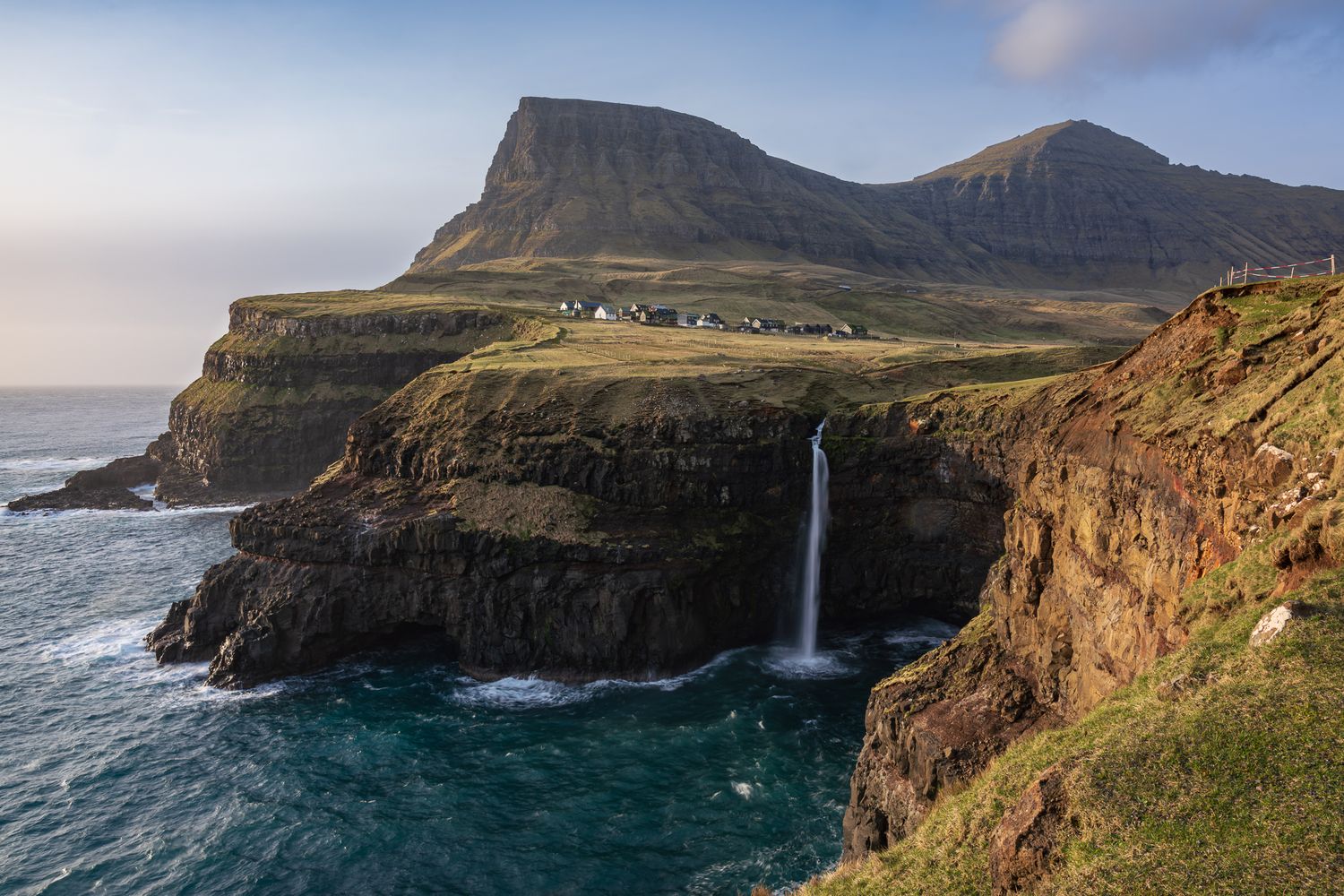
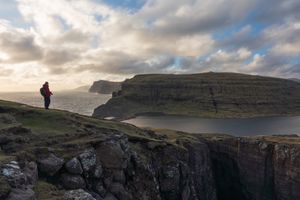
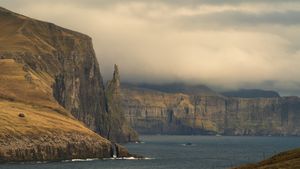
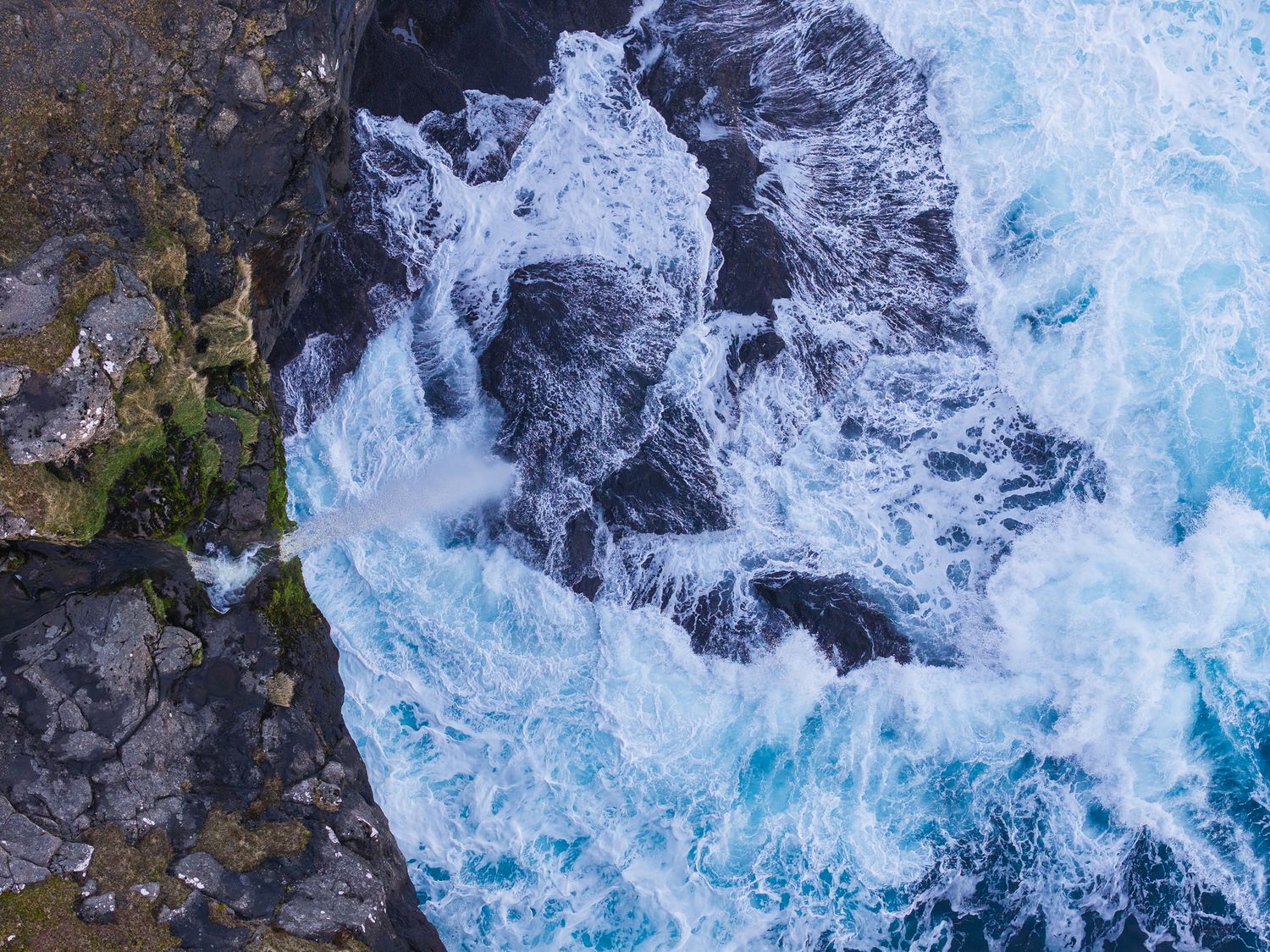
The Faroes are a landscape photographer's destination in the truest sense. The terrain rewards hikers willing to get off the main routes: volcanic basalt formations, plunging coastal cliffs, waterfalls that drop straight into the sea (Múlafossur, near the village of Gásadalur, is the one you've probably seen — it deserves every frame it gets). The islands also offer a kind of remoteness that's increasingly rare in heavily photographed Nordic destinations. Iceland gets millions of visitors a year. The Faroes are still quiet enough that you can find a ridge to yourself.
Salmon, fishing culture, and life on the islands
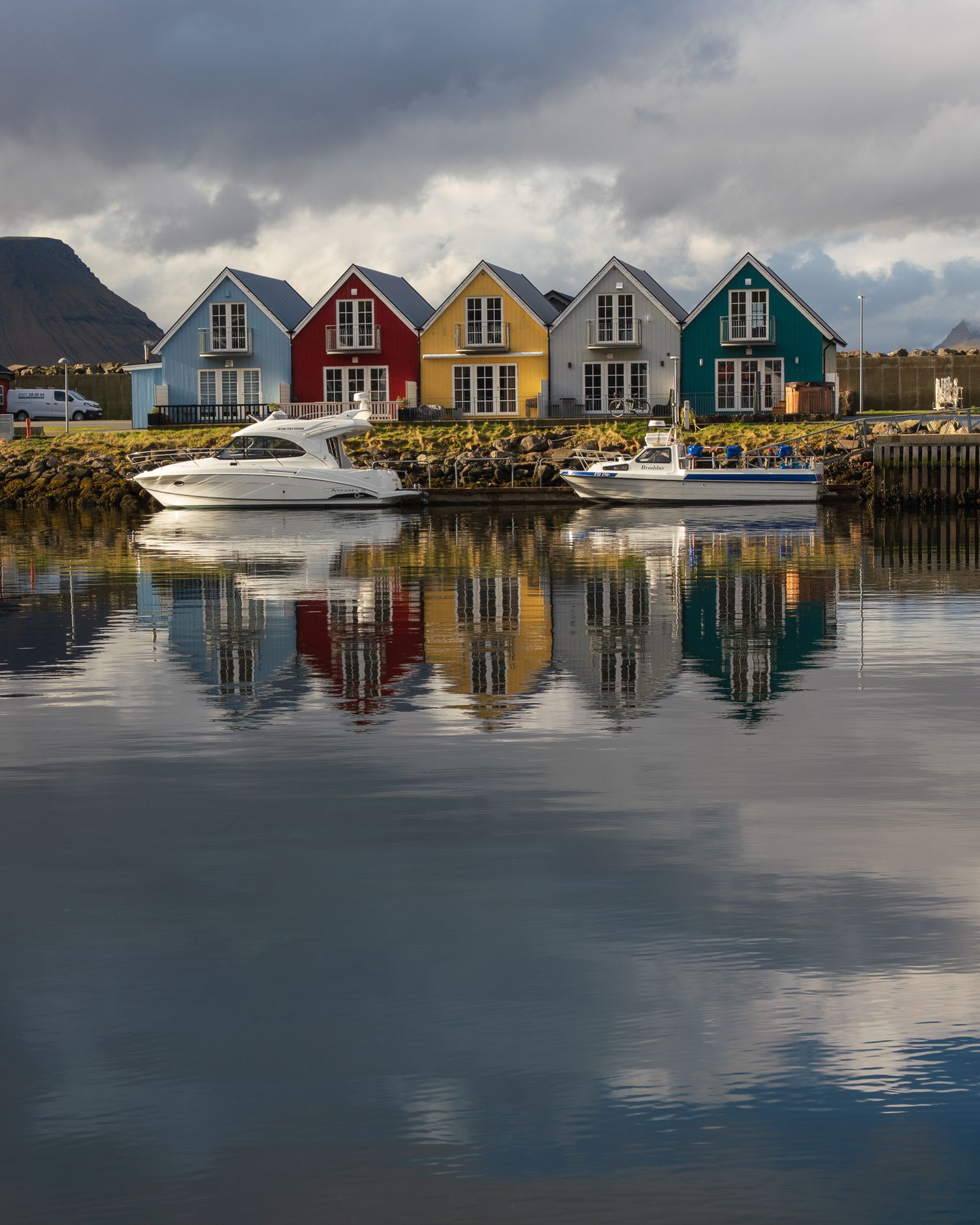
The Faroese economy runs on fish — specifically salmon aquaculture, which you'll see everywhere in the form of offshore pens dotting the protected fjords and inlets. Fishing is deeply embedded in the culture here, and the coastline gives it endless room to breathe. Nearly 1,400 kilometers of it, actually. The relationship between the people and the sea is impossible to miss, and it shows up in the architecture, the food, and the rhythms of daily life in ways that feel entirely authentic.
Getting there and getting around
The Faroe Islands are accessible via direct flights from a handful of European cities, with Copenhagen typically serving as the main hub for international connections. Once you're on the islands, a rental car is the most practical way to move between the 18 islands — many of which connect via an impressive network of tunnels, including one that runs directly under the ocean floor. The driving is manageable, the roads are narrow and occasionally terrifying in the best possible way, and the scenery from the car is worth the trip on its own.