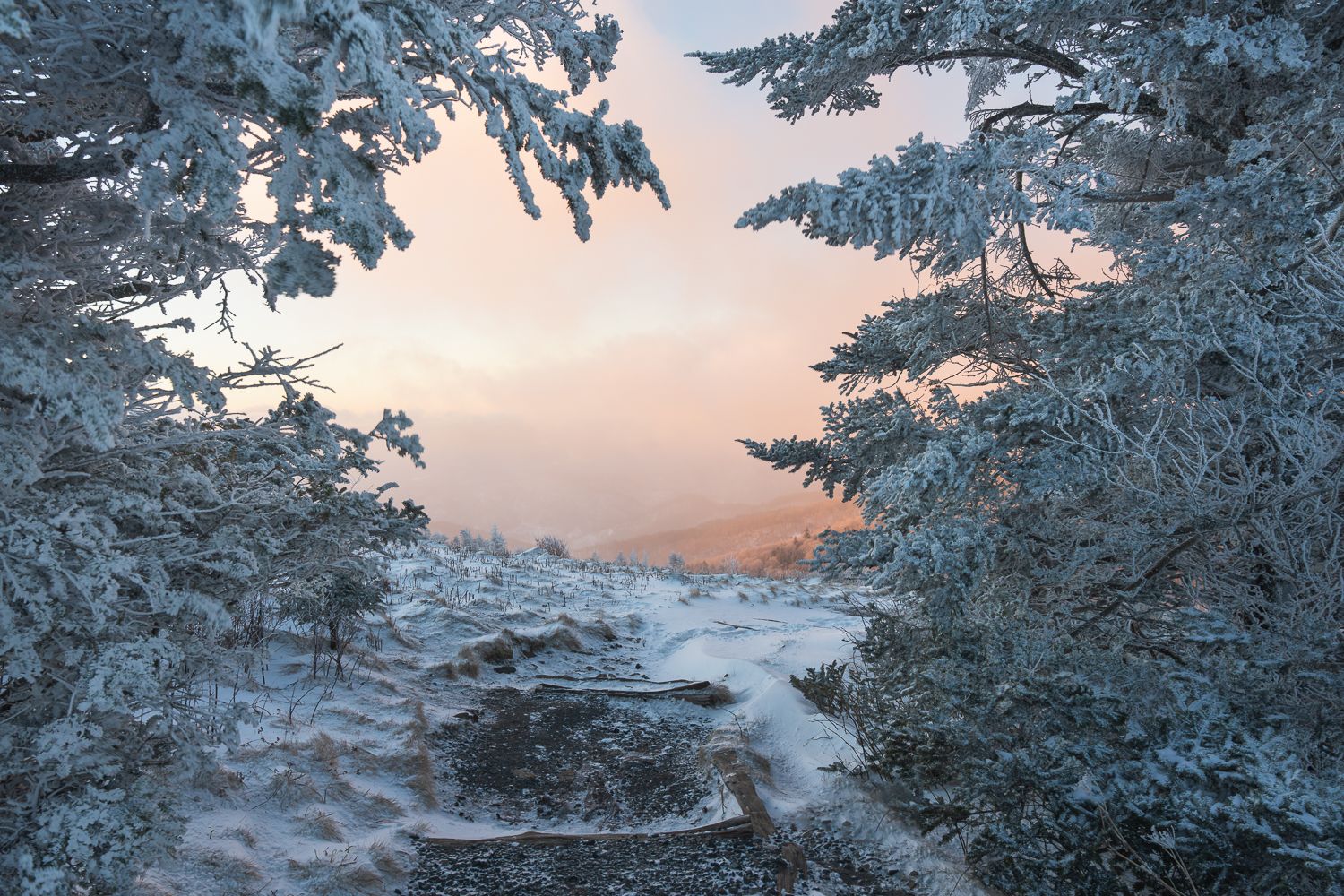
Photographs from Iceland, the Lofoten Islands, and the Southern Appalachians.
Visit
Vanishing Winters: A Photographic Elegy
Pink Dog Gallery, 348 Depot Street, Asheville, NC 28801
On view:
December 5, 2026 through January 2, 2027
Opening reception:
Saturday, December 5, 5 to 7 PM.
Beer, wine, and light bites.
Meet the photographer
Saturdays, 1 to 4 PM. December 5, 12, 19, 26, and closing day January 2. Walkthrough Saturday, December 12 at 2 PM. Thirty minutes, a handful of pictures, and the stories behind them.
Viewing
Available whenever Pink Dog Creative is open, generally 11- 5 PM. Admission free.
$50 from every print sold will be donated to Protect Our Winters, a nonprofit that unites outdoor enthusiasts to advocate for clean air, clean water, and a healthy planet.
This project was supported by ArtsAVL, Bank of America, and the North Carolina Arts Council, a division of the Department of Natural and Cultural Resources.
Parking is on Depot Street and in the lot across the street. The gallery sits inside the Pink Dog Creative building, which also holds Crusco, Fresh West, and GRIND, so there is coffee before and dinner after.
the Project
Once, the mountains of the Southern Appalachians and the mountains of Norway were a single range. The Atlantic had not opened yet. When it did, the ocean pulled the chain apart, set the halves on facing shores, and much later Iceland emerged from the ocean floor.
Hundreds of millions of years on, the three are warming together. Winter fades fastest in the far north and on the high peaks, and the snow that shaped these places is turning, season by season, to rain.
I have spent five winters photographing what is left of the cold, in the mountains outside my door and on coastlines far north of them. The photographs do not argue. They record. What they add up to is one season thinning in three places at once.
I photograph winter because it is slowly disappearing, and because looking closely at what remains is the nearest thing to hope I know.
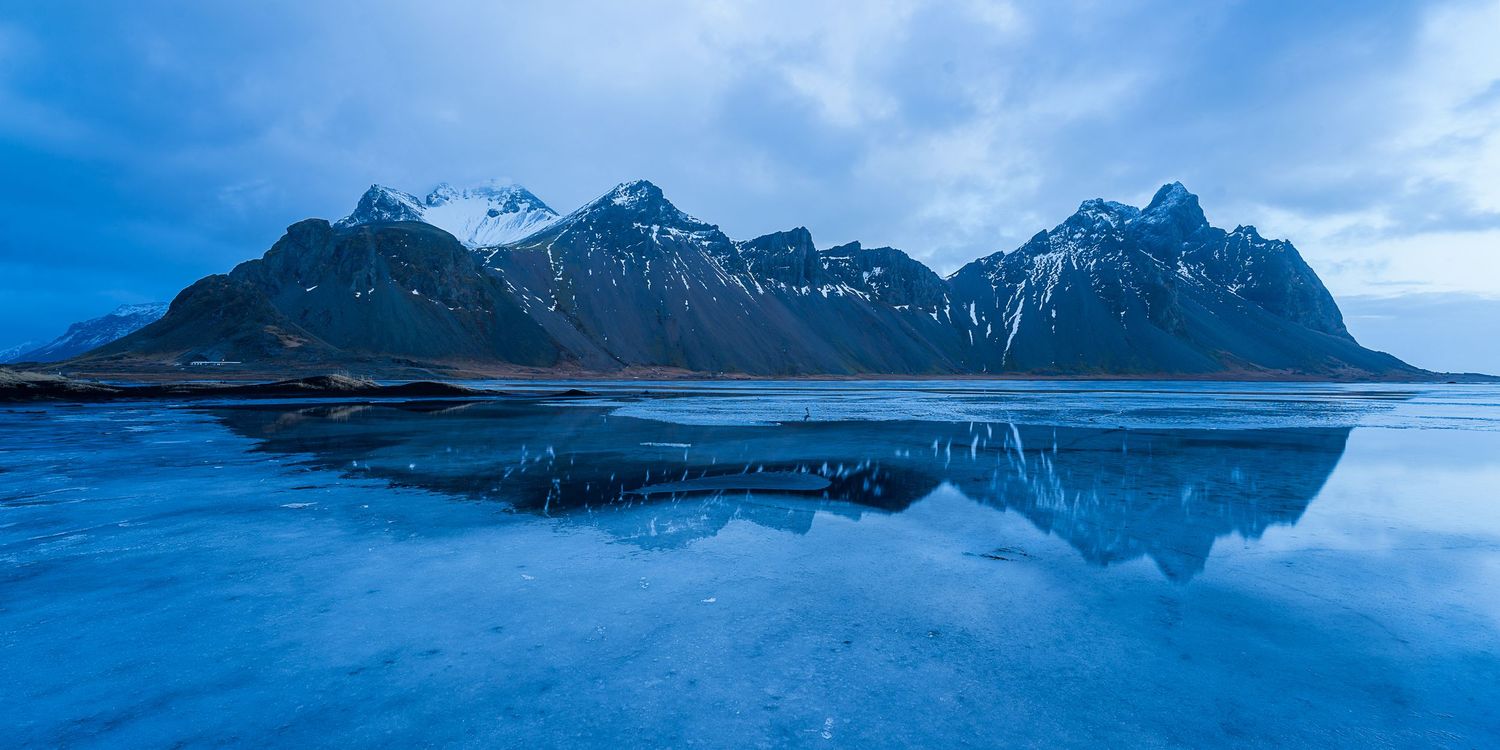
Iceland 2024
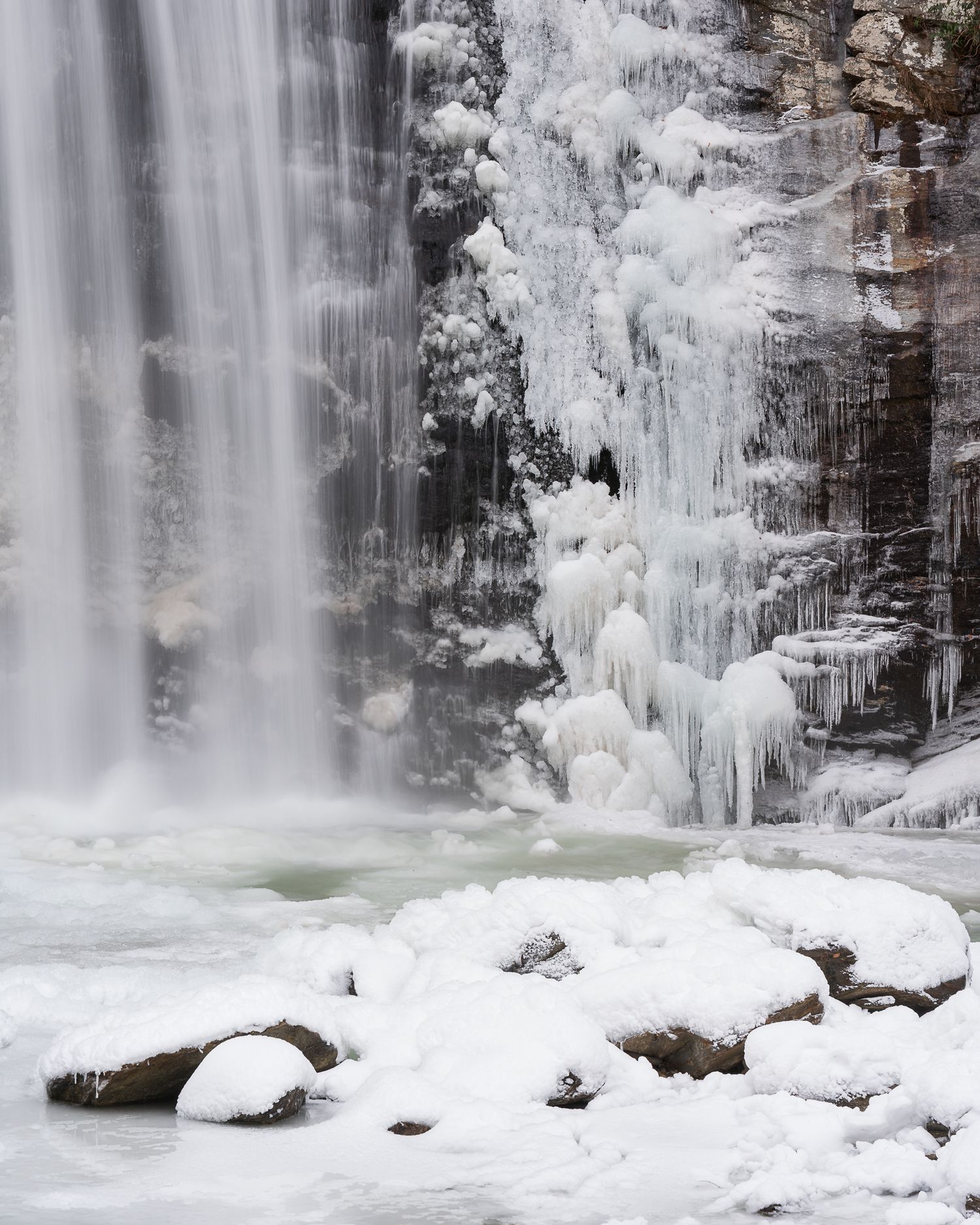
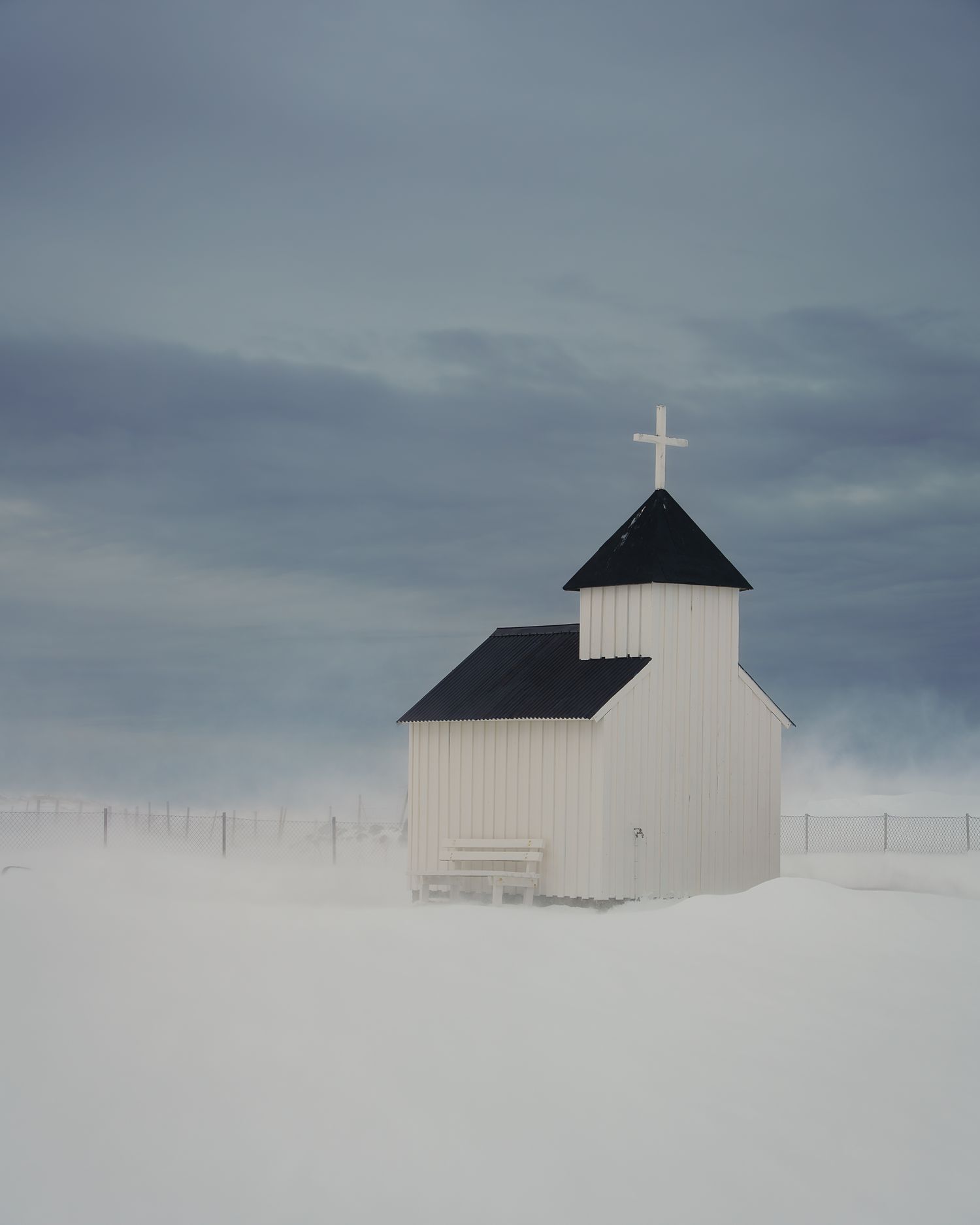
The island wears ice the way other places wear weather. Glaciers still cover a tenth of it, though they thin by the year, and in 2019 the country held a funeral for the first of them to disappear. A bronze plaque marks where it stood.
Iceland's winters warm faster than its summers, and more of its winter falls now as rain. I photographed the ice while it still holds its shape. Some of it will not, for long.
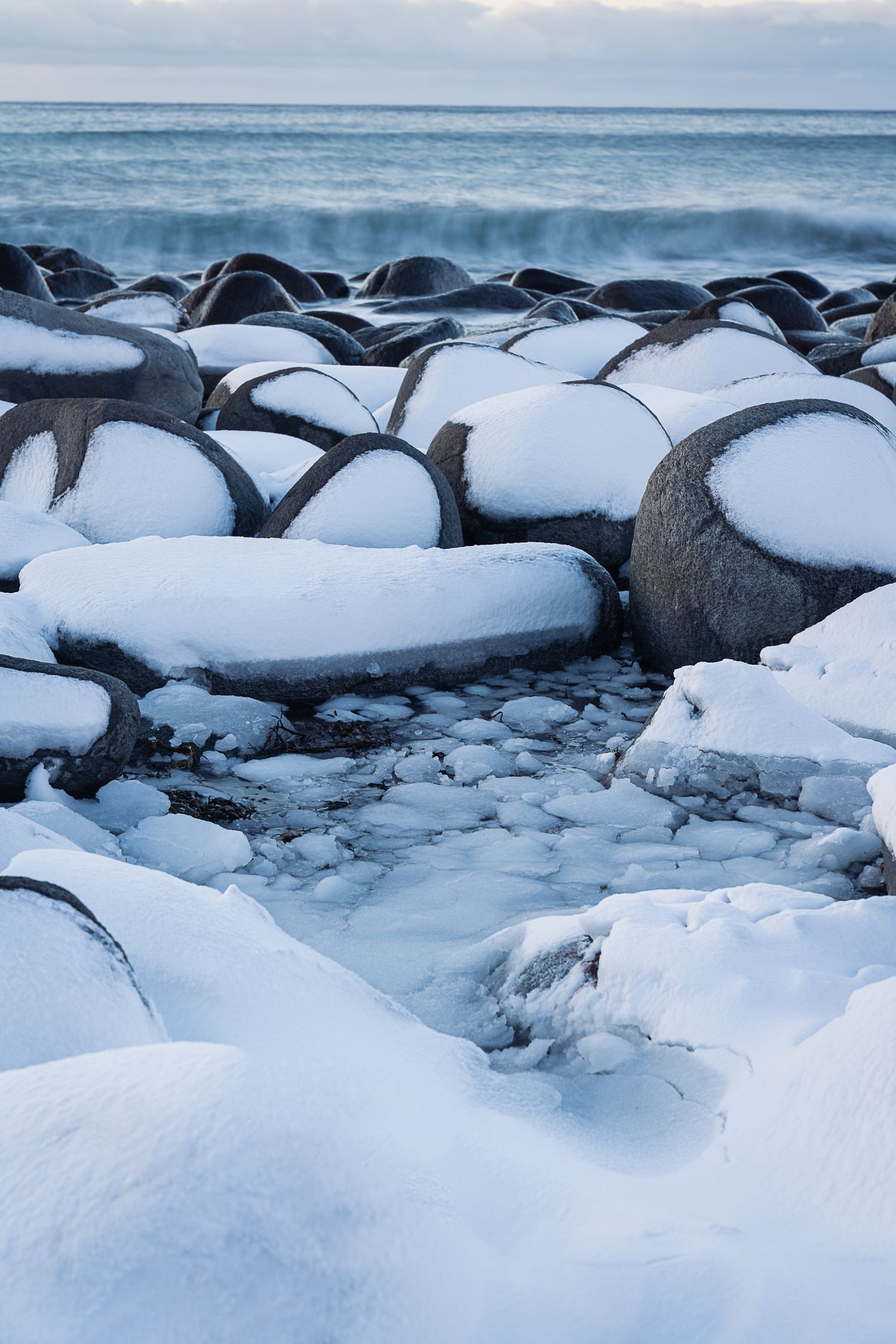
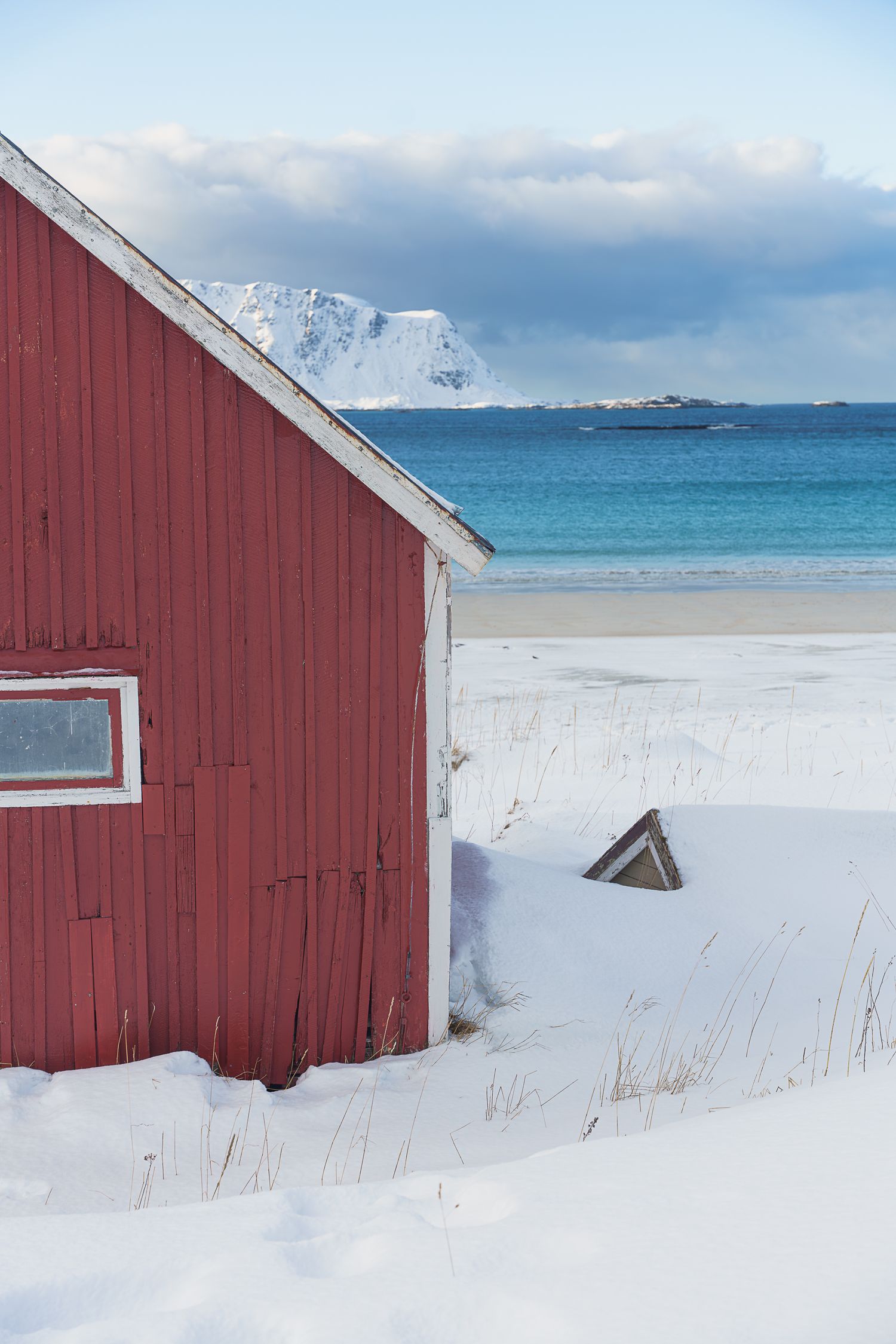
The Lofoten Islands 2026
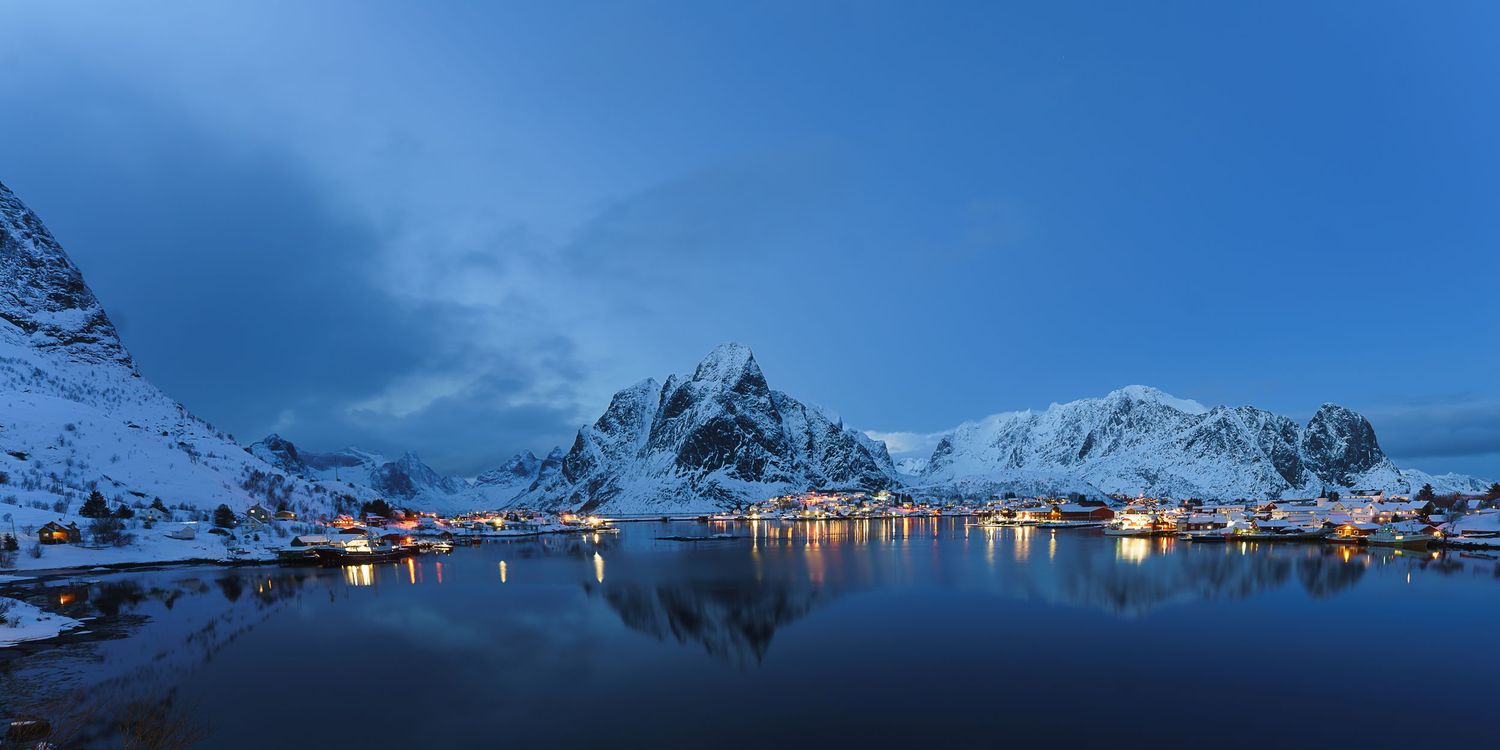
For a thousand years, winter here has meant one thing above all others: the cod arrive. Skrei, the old Norse word for the wanderer, swim down from the Barents Sea each winter to spawn in these cold waters, and the islands were built around their coming.
The sea is warming, and the wanderers are drifting north, spawning farther from Lofoten than they once did. The winters here are turning warmer and wetter too. I came for the light, and stayed for the weather.
The Southern Appalachians 2021-2026
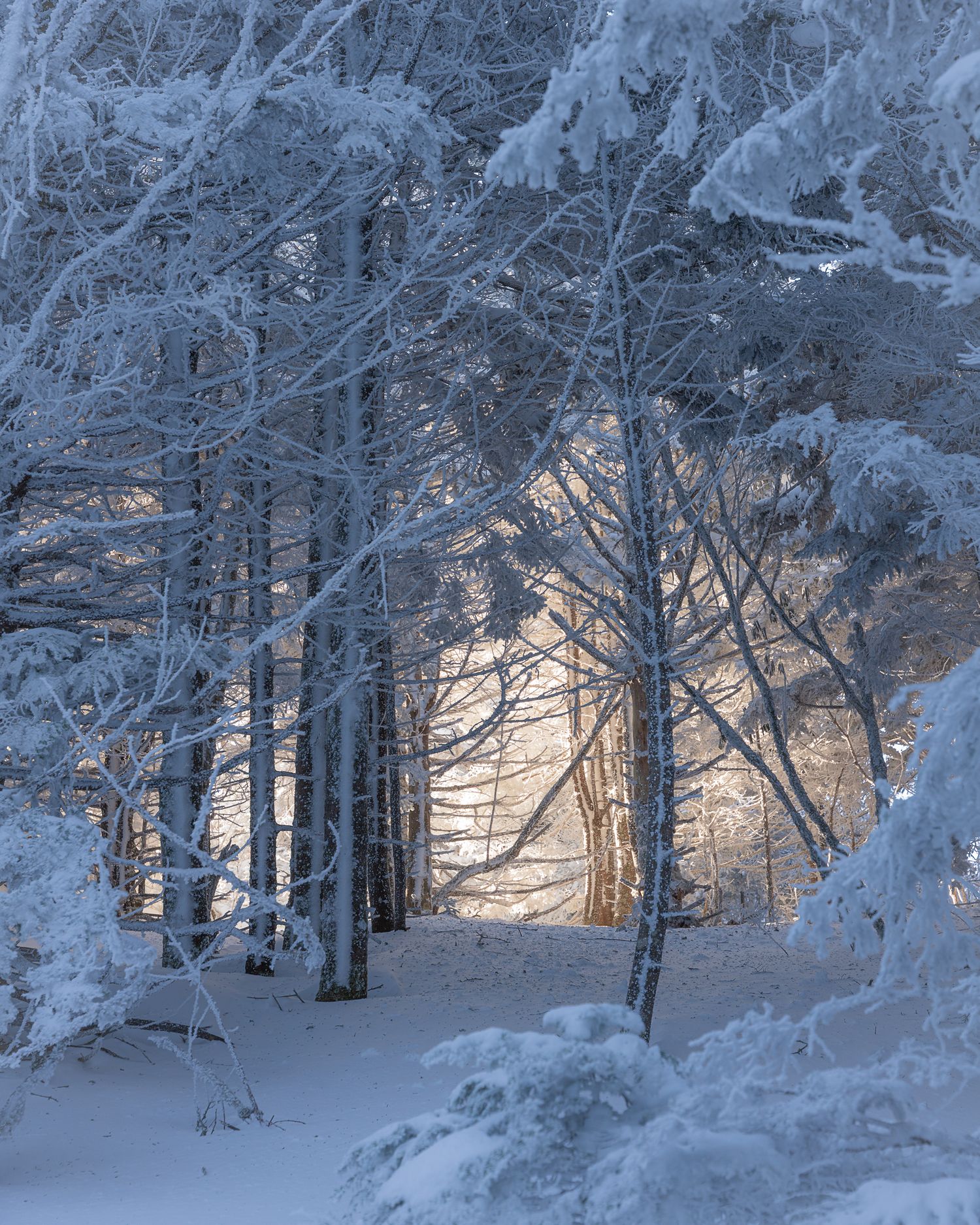
This is the winter I know best, the one outside my own door. The high peaks here hold a forest left behind by the last ice age, red spruce and Fraser fir that climbed to the coldest summits and stayed. Fraser fir grows nowhere else on earth.
These mountains are warming too. Their winters grow shorter, their snow turning to rain, and the cold-loving forest at the top has nowhere higher to go.
Long before the ice, these ridges and the mountains of Norway were a single range, split when the Atlantic opened. The north was never far away. It is kin to the ground I stand on.
What is changing
The photographs do not argue, but they rest on measurements. These are the records that matter most to the three places in this exhibition. All are observations of what has already happened, not projections.
The Southern Appalachians.
North Carolina's winters averaged 43.0°F across 2001 to 2023, up 1.8°F from the twentieth-century average, and six of the eleven warmest winters on record have happened since 2011. Above roughly 5,000 feet, the highest peaks hold a red spruce and Fraser fir forest left behind by the last ice age. Fraser fir grows nowhere else on Earth. A cold-dependent forest at the top of a mountain has nowhere higher to go. Sources: NC State Climate Office; US Fish and Wildlife Service.
Iceland.
Glaciers cover about a tenth of the island, which loses roughly 11 billion tonnes of ice a year. The share of precipitation falling as snow declined from about 54 percent between 1970 and 1995 to 47 percent between 2000 and 2025. In August 2019, Iceland set a bronze plaque on the bare rock where the Okjökull glacier had been, the first monument anywhere to a glacier lost to climate change. Sources: University of Iceland and Rice University; Hydrology and Earth System Sciences, 2026.
The Lofoten Islands.
Each winter the Northeast Arctic cod, called skrei, from the Old Norse for the wanderer, migrate down from the Barents Sea to spawn along the Norwegian coast. Lofoten has been the main spawning ground since at least medieval times. The Barents Sea has run above its long-term average temperature since the mid-2000s, and a growing share of the catch now comes from north of the traditional grounds. Source: Institute of Marine Research.
The thread.
In all three places, winter is warming faster than summer, rain is replacing snow, and life organized around cold has run out of room to move.
