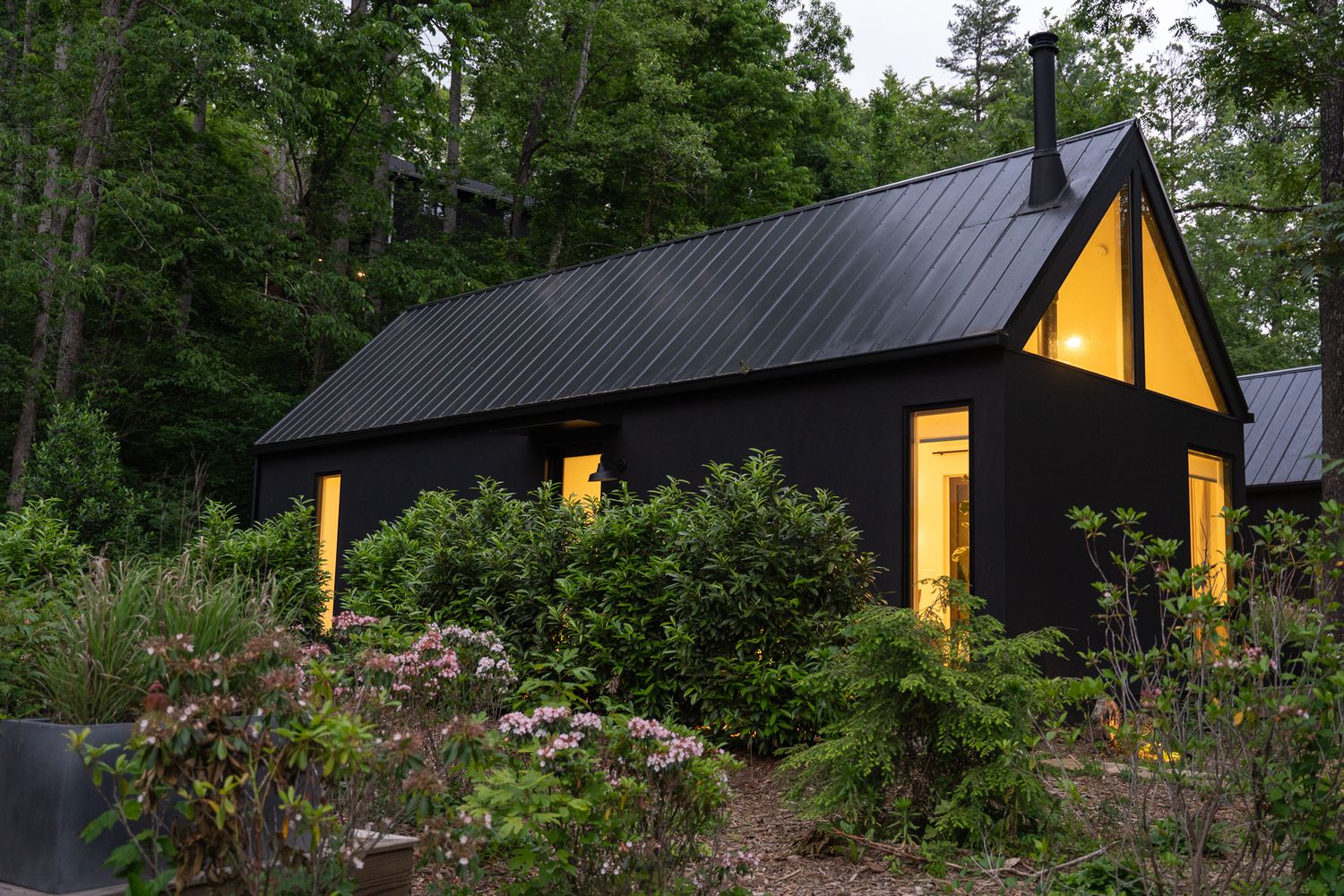
Here's a scenario that happens more often than it should:
A hotel marketing director hires a destination photographer with a gorgeous portfolio and reasonable rates. The shoot seems fine. Everyone's happy. Then the images arrive and the team realizes—they're beautiful, but they don't actually work.
The compositions are stunning, but there's nowhere to place text for ads. Every shot is horizontal, and they desperately need vertical content for Instagram. The "lifestyle" shots feel too staged. And somehow, despite two full days of shooting, they don't have a single usable image of their most-booked room.
Now they're back at square one, except the photography budget is already spent.
This isn't about bad photographers. It's about misaligned expectations and unclear communication. When you're hiring a destination or hospitality photographer, you're not just buying pretty pictures. You're investing in visual assets that need to drive bookings, engagement, and brand recognition.
That requires asking better questions upfront.
Question 1: "Can you walk me through how you'd approach photographing our property?"
Why this actually matters
This might seem like a softball question, but it reveals whether a photographer has thought about your specific property, or if they're planning to show up and improvise.
The second approach works for personal projects. For commercial work where you're investing thousands of dollars? You need someone with a plan.
What a good answer includes
When I'm on the other side of this conversation—being interviewed by a potential client—here's my approach:
First, I ask questions:
- What's your ideal guest profile?
- What experience are you selling? (Adventure basecamp? Romantic escape? Productive retreat?)
- What season matters most for bookings?
- What sets you apart from competitors?
- Where will these images live? (Website? Social media? Print materials?)
Then I talk through the approach:
- Specific spaces I've noticed that tell their story
- Optimal times of day for different types of shots
- Mix of wide establishing shots and intimate details
- How to capture both aspirational luxury and comfortable authenticity
What you're really listening for
Does this photographer understand that your property isn't just a beautiful backdrop—it's a carefully crafted experience? Can they translate that into images that make potential guests want to book?
Red flags to watch for
- "I'll just show up and capture what feels right."
- "I work intuitively—I don't like to over-plan."
- "Every property is different, so I can't say until I'm there."
Spontaneity is valuable. But it works best within a framework of intentionality.
Question 2: "How do you balance architectural shots with lifestyle/guest experience photography?"
The core tension in hospitality photography
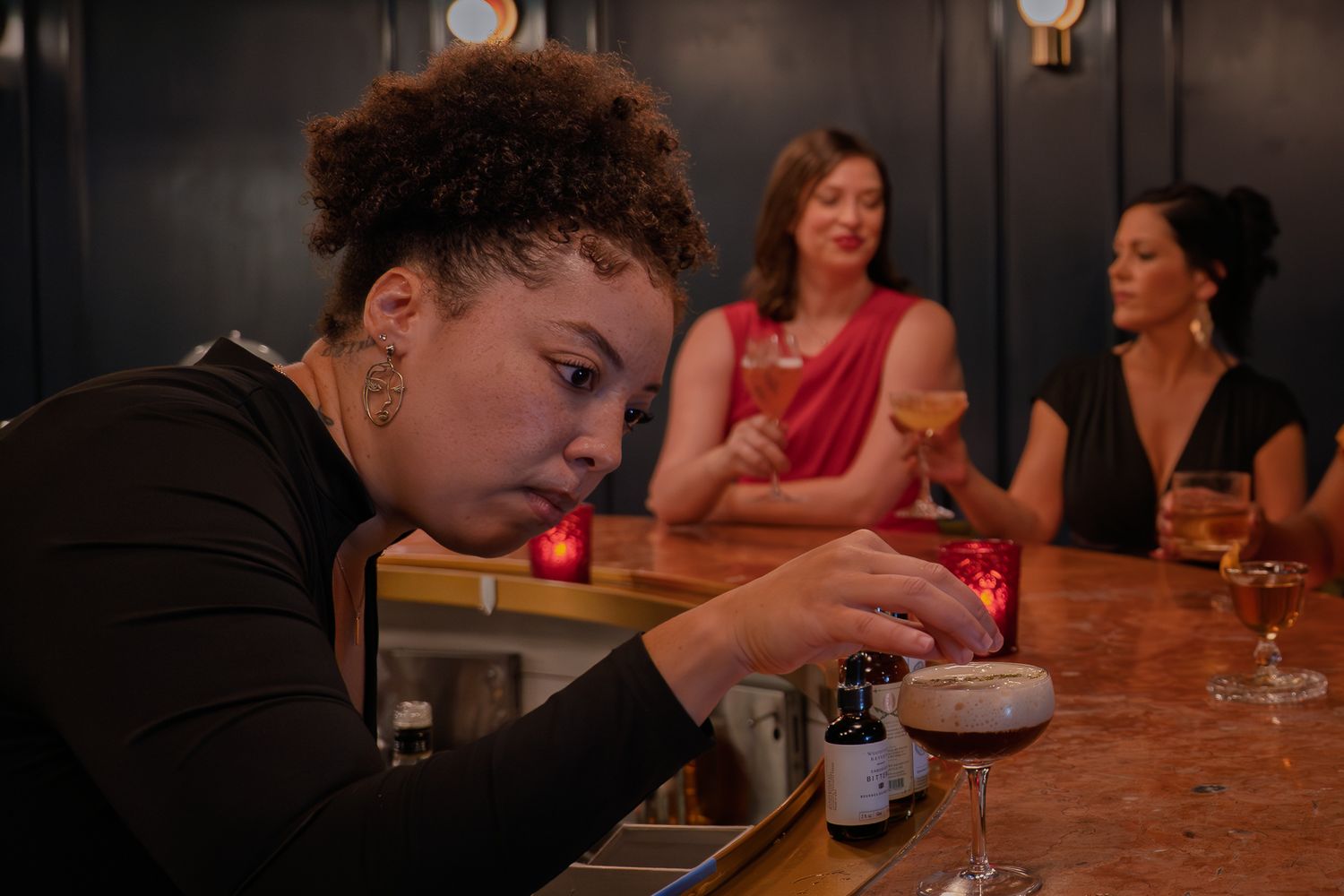
Here's what I've learned wearing both photographer and marketer hats: Empty room shots are necessary, but they don't book rooms. People do.
Think about the last time you booked a hotel. You looked at room layouts and bathroom finishes, sure. But what made you click "reserve"? Probably someone reading on that balcony with morning coffee. A couple laughing over dinner. A family gathered by the fireplace.
You saw yourself in that space.
Why you need both (and why they're so different)
Architectural shots need to:
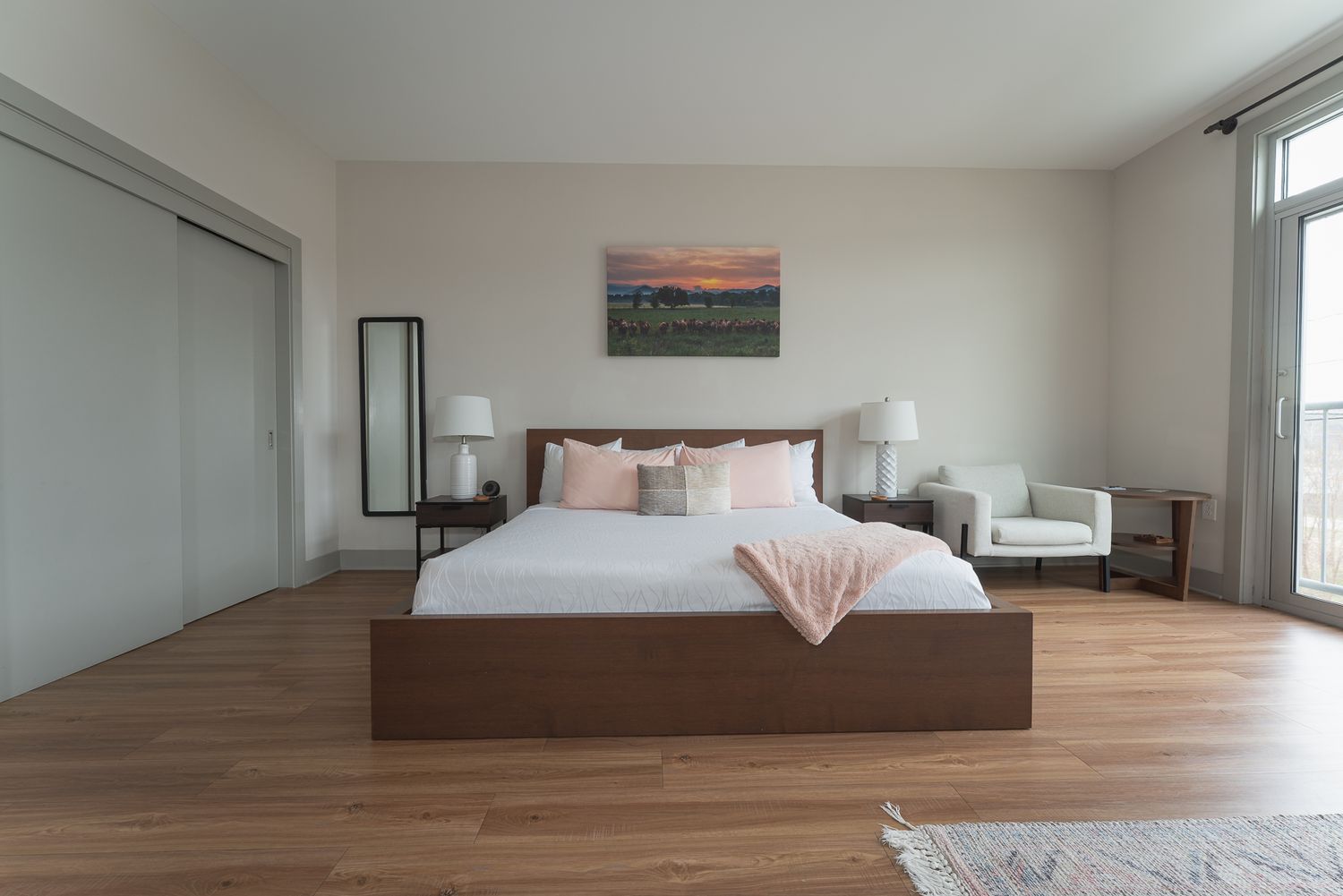
Be captured when spaces are empty and pristine
Show design, layout, and features clearly
Often happen early morning or late evening when guests aren't around
These are your booking platform images. Your "here's what you're getting" photos.
Lifestyle shots need to:
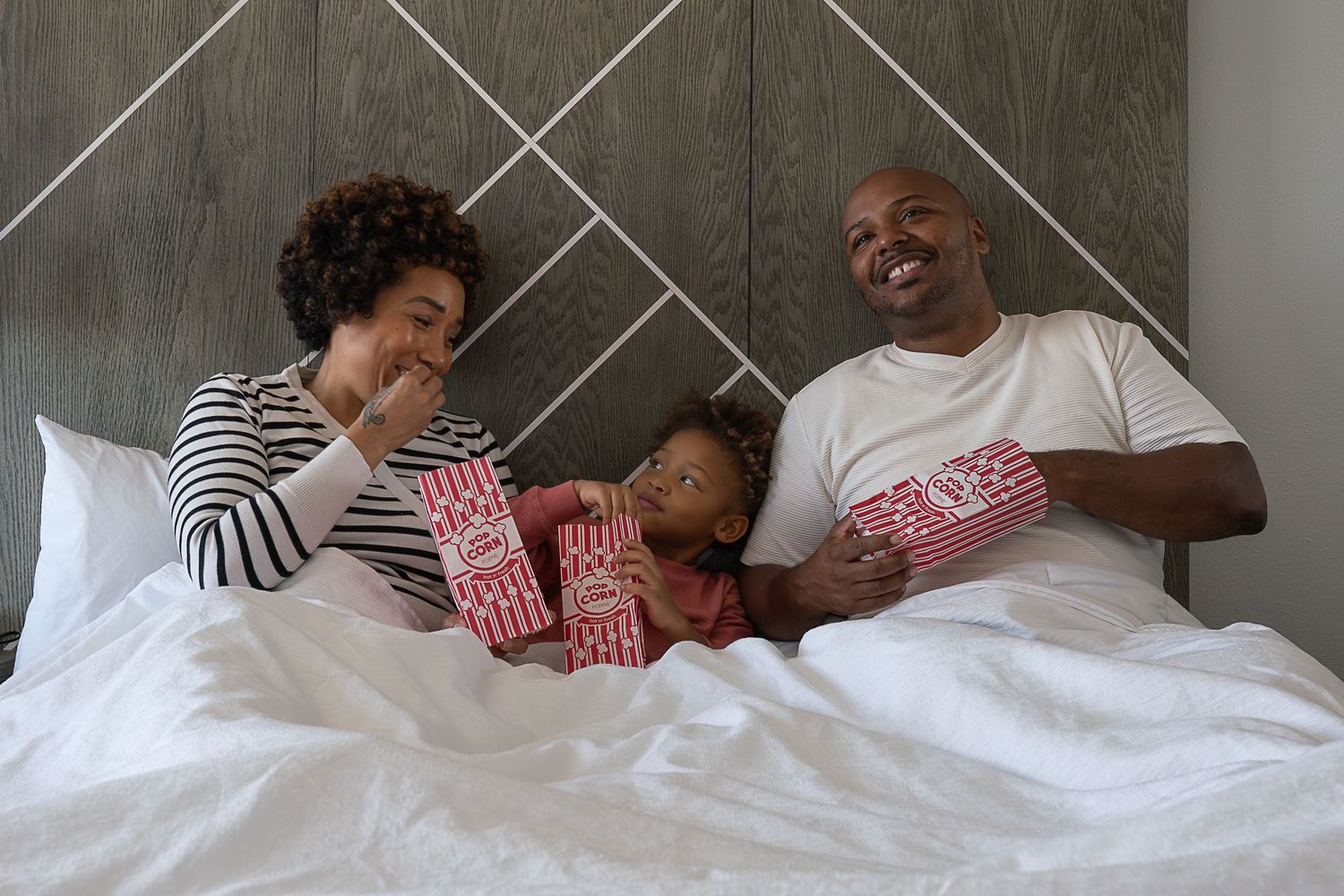
Include people creating authentic moments
Feel natural, not overly staged
- Capture emotion and activity
- These are your social media content. Your "imagine yourself here" images.
- The challenge? These require completely different shooting approaches, and often different times of day.
What a good answer includes
A photographer who understands this will:
- Ask about access to spaces before they open or when empty
- Discuss whether you'll provide models or coordinate with guests
- Explain the balance between styled and documentary moments
- Show portfolio examples of both approaches
- Talk about how different images serve different marketing purposes
The concern
If a photographer's portfolio shows only empty architectural shots or only perfectly styled lifestyle images, ask yourself: Is this really the range my property needs?
Question 3: "What happens if the weather doesn't cooperate?"
Why You should always ask this
As someone who has dragged myself out of bed at 5 am for a Norwegian sunrise that looked incredibly promising—until clouds rolled in at the exact wrong moment—you have to expect the unexpected.
I was in the Lofoten Islands in northern Norway. The forecast had been perfect all week. I set three alarms, loaded my gear in the freezing dark, hiked to the viewpoint. The sky started showing color. This was going to be spectacular.
Then a thick bank of clouds rolled in from the sea. Within minutes, we went from perfect conditions to barely seeing the mountains.
The point is, weather happens. Fog rolls in. Rain appears uninvited. Perfect light disappears. Wind makes outdoor shots impossible. Yesterday's beautiful snow is today's brown slush.
What this question reveals
Can this photographer adapt and still deliver?
Some photographers excel in golden hour but struggle in overcast midday light. They can handle sunny patios but not moody rainy interiors. You need someone with range who sees opportunity in "bad" weather, not just disaster.
Have they built flexibility into their plan?
If someone promises to capture your entire shot list in one day with no contingencies, they're either incredibly experienced or overly optimistic. Weather is unpredictable.
What I tell destination Photography clients
Some of my favorite images happen in 'bad' weather. Fog adds mystery. Overcast light is perfect for interiors and food photography—no harsh shadows or weird color casts. Rain on windows creates cozy, intimate moods.
But I'm also honest about what conditions certain shots require. Sunrise mountain vistas? We need flexibility. That might mean staying an extra morning or scheduling a follow-up during peak season. I build that possibility into my timeline from the start.
Red flag response
"Don't worry, the weather will be fine."
What you want to hear
- Confidence about working in various conditions
- Examples of how different weather creates different (still beautiful) results
- Realistic timelines with buffer time or contingency plans
- Honesty about what's flexible and what's not
Question 4: "Do you understand the difference between images for social media, website hero shots, and print materials?"
this is both technical and strategic
Where and how an image will be used should influence how it's captured from the start. This is where my marketing background becomes particularly relevant.
Social media needs:
- Vertical formats for Stories, Reels, TikTok
- Square crops for grid posts
- Room for text overlay (uncluttered compositional space)
- Mobile-first viewing (details must read small)
- Scroll-stopping impact
Website hero shots need:
- Horizontal formats for desktop viewing
- Balance that works at different screen sizes
- Space for headlines and CTAs
- Strong focal points
- Quick visual storytelling
Print materials require:
- Higher resolution
- Different aspect ratios (brochure vs. postcard vs. magazine ad)
- Color profiles that translate to print
- Compositions that scale to different sizes
What this means in practice
When I shoot a hotel exterior. I capture:
- Wide horizontal for website hero
- Vertical composition for mobile/social
- Tighter crop emphasizing the entrance
- Versions with negative space for text overlay
More work upfront? Yes. Does it prevent reshoots or awkward crops later? Absolutely.
The marketing perspective
I don't just ask "where will this be used?" I ask:
- What's the goal on that platform?
- Who's the audience?
- What action do you want them to take?
- How does this fit your larger content strategy?
That Instagram post isn't just "pretty hotel shot." It's a "stop-the-scroll" image that makes potential guests imagine their mountain getaway and click through to book.
What good answers sound like
- "I shoot with multiple uses in mind—horizontals and verticals, wide and tight, with text overlay space."
- "Let's discuss your content calendar so I understand platform needs."
- "I'll deliver files in different formats and resolutions."
- "Here's how images from a previous shoot worked across uses."
Warning sign
If a photographer seems confused or dismissive ("Just crop them however you need"), they may not understand commercial photography's practical requirements.

Question 5: "What's included in your pricing, and what costs extra?"
Why clarity protects everyone
Nobody loves talking money, but vague pricing leads to surprise costs. I've seen hotels book photographers at seemingly great rates, then get hit with unexpected charges for editing, travel, licensing, rush delivery, or additional hours.
Suddenly, that "deal" costs more than the transparent photographer would have.
What should be crystal clear
Shooting details:
- Days/hours on-site
- What's included in that time
- Whether an assistant is involved
- Equipment (drone work often costs extra)
Deliverables:
- Number of final edited images
- File formats (high-res JPGs, TIFFs, RAWs if requested)
- Delivery timeline
- How files are delivered
Editing/retouching:
- Standard editing level (color correction, exposure, basic retouching)
- What's considered "extra" (extensive removal, compositing, specialized work)
- Revision rounds included
Licensing and usage (the big one people miss):
- How long can you use them? (1 year? 3 years? Perpetually?)
- Where? (Website? Social? Print? Billboards?)
- Paid advertising allowed?
- Can you share with press or partners?
- Exclusive use, or can they use in their portfolio?
Additional costs:
- Travel expenses
- Model fees
- Props/styling
- Rush delivery
- Expanded scope
Model releases matter
If lifestyle shots include people—staff, models, or guests—you need signed model releases. This protects you legally for advertising and commercial use. A professional photographer handles this as standard practice.
Red flags
- "We'll figure it out as we go"
- Pricing that seems unrealistically low
- Unclear licensing terms
What transparency looks like
"Based on your needs, I recommend two days of shooting covering interiors, exteriors, amenities, and lifestyle. This includes pre-production planning, on-site shooting, and delivery of 60-75 final edited images within two weeks. You'll receive full commercial licensing for three years across all digital and print platforms, including paid advertising. Investment: $X, which includes my time, editing, and travel within 50 miles. Drone footage and extensive retouching available as add-ons."
Clear. Specific. No surprises.
The Real Question Behind All These Questions
Here's what you're actually trying to determine:
Does this photographer understand that commercial photography is both art AND business?
You need someone who:
- Creates images that make people stop and stare
- Understands how those images drive bookings and engagement
- Respects your time, budget, and marketing goals
- Brings creative vision while meeting practical needs
- Communicates clearly
- Plans strategically but adapts when needed
The right destination photographer won't just show up with a camera to "capture the vibe." They'll arrive with a plan, adapt when circumstances change, deliver images that work across platforms, and maintain transparency throughout the project.
One More Thing: Trust Your Gut
You can ask all the right questions and check every box, but there's an intangible factor: Do you actually want to work with this person?
Pay attention to how they respond to your questions. Are they defensive? Patient? Do they ask thoughtful follow-ups? Do they seem genuinely interested in your property's story?
Creative partnerships work best with:
- Mutual respect
- Clear communication
- Shared excitement about the project
- Compatible working styles
- Trust
You're not just hiring someone for a day or two. You're potentially starting a relationship that could span years as your property evolves and your marketing needs change.
Ready to Start the Conversation?
Now you know what questions to ask. Go forth and find a photographer who gets it.
Your future marketing materials—and your booking numbers—will thank you.
About Momento Mori Photography
I'm Tanya Triber, a photographer and digital marketer based in Asheville, North Carolina. I specialize in hospitality, destination, and adventure photography—creating visual stories where comfort meets the wild.
I bring an unusual perspective to commercial work: I understand both the artistic side of creating compelling images and the marketing side of making those images work strategically for your business. It's what I love most about this work.
My photography has been featured in regional tourism campaigns, hospitality brands throughout the Southeast, and publications focusing on outdoor recreation and destination travel. I'm currently working on "Vanishing Winters," a long-term project documenting the impact of climate change on winter landscapes from the Arctic to the Appalachians.