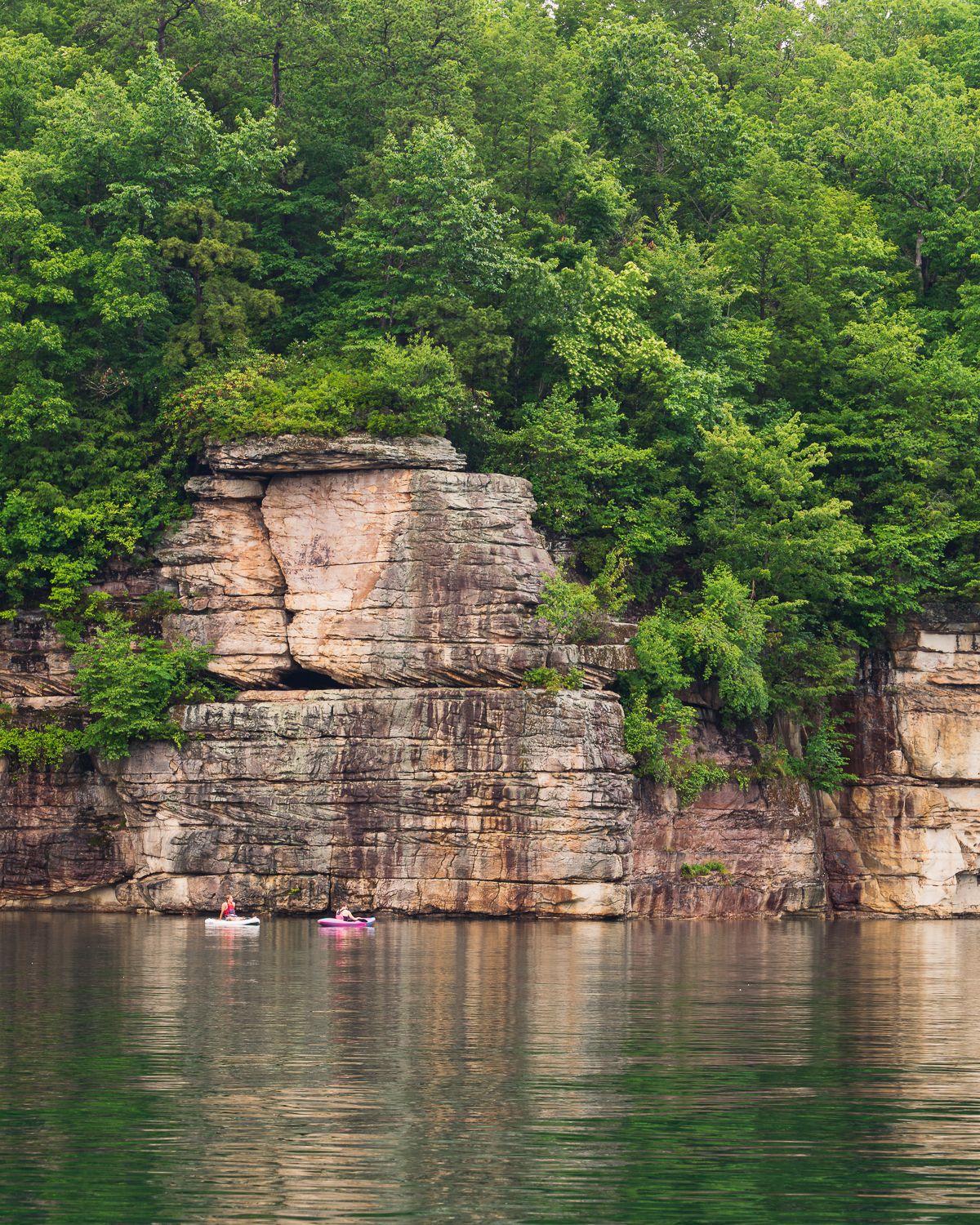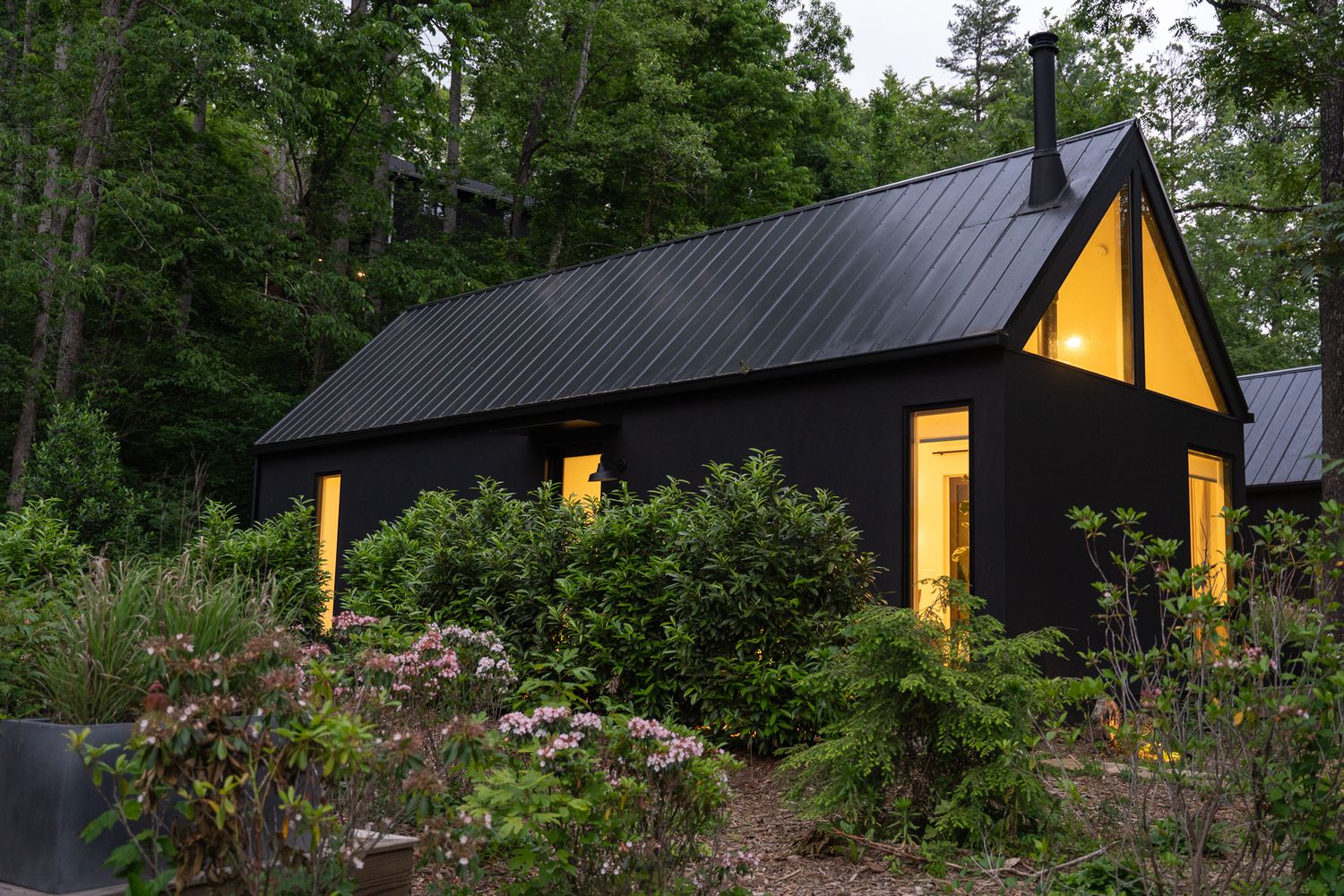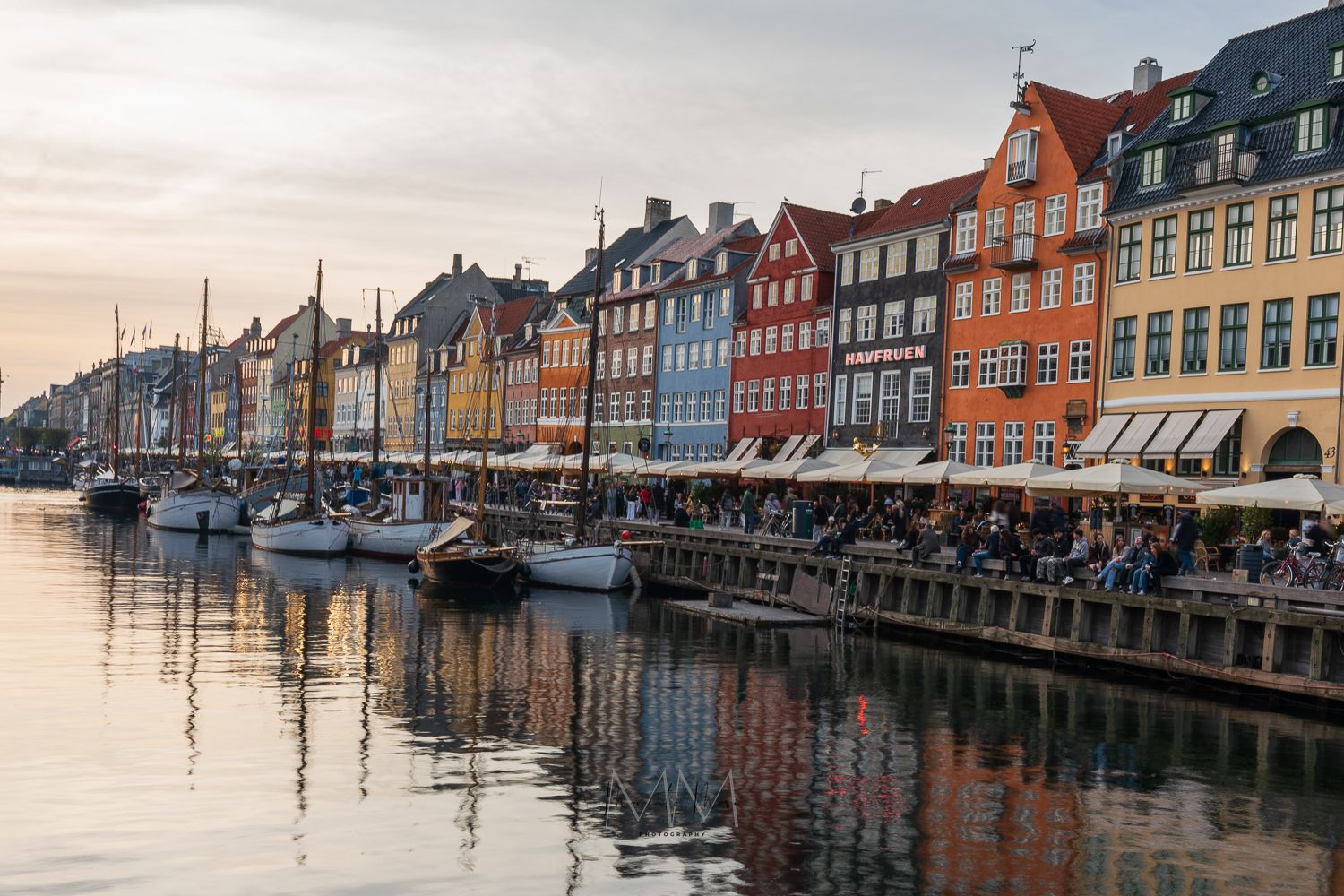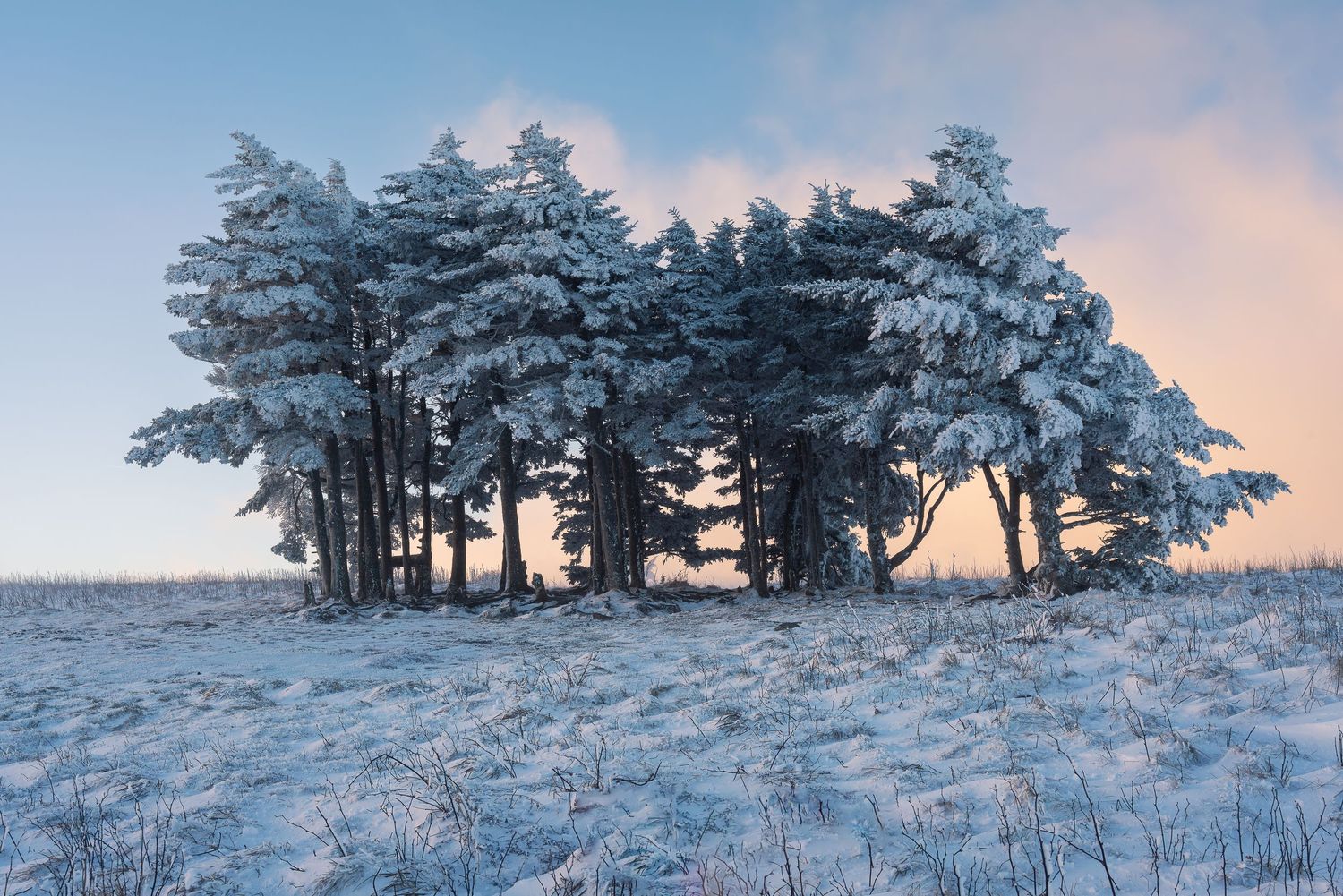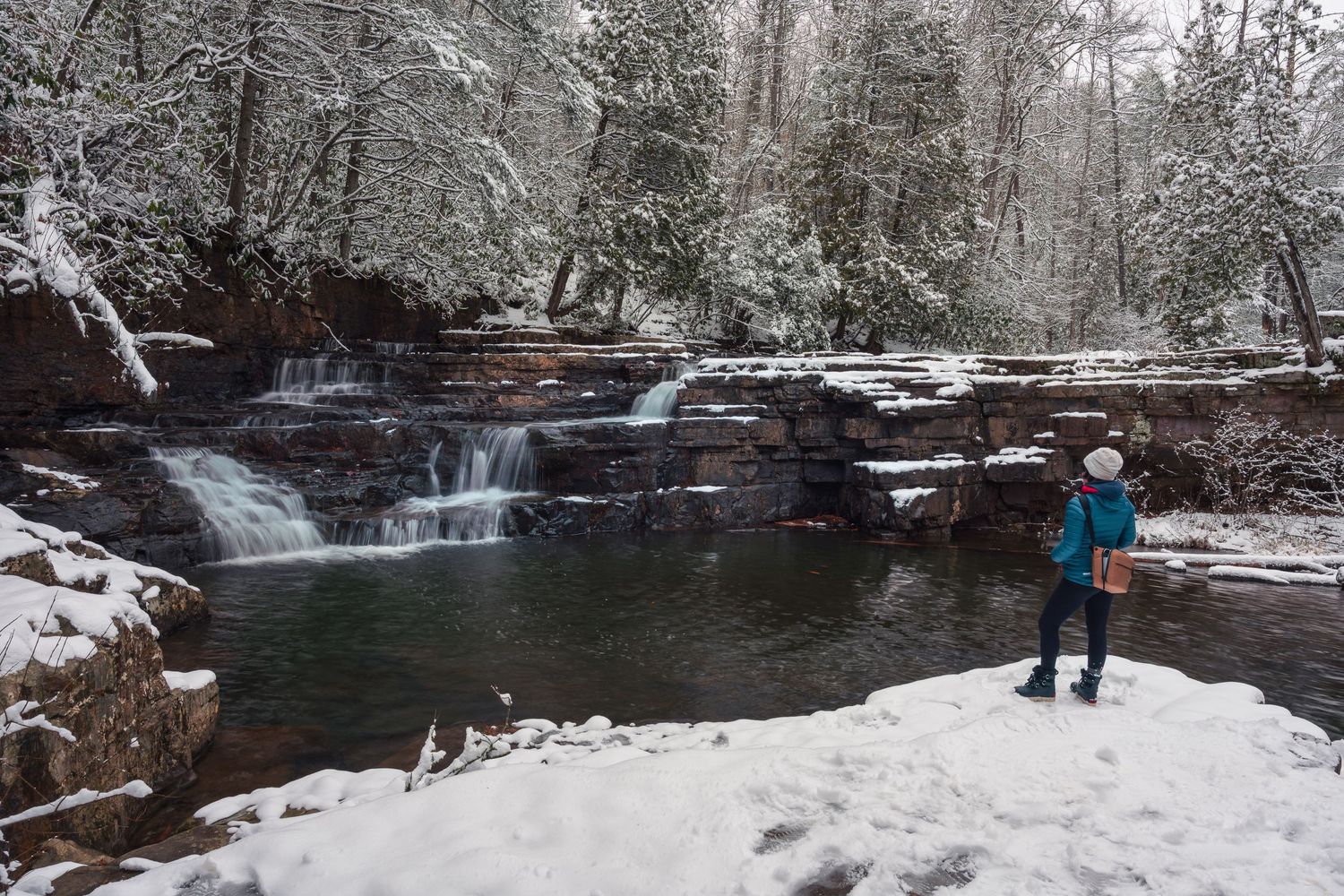
I just got back from a multi-day shoot in West Virginia, and I want to talk about what went wrong before I talk about what went right.
None of the meals were arranged ahead of time. We were told to mention the tourism board would cover the tab when we sat down, but nobody told the restaurant we were coming, or when. The boat excursion we'd confirmed weeks earlier hadn't actually been booked until I called and asked when we should be at the dock. Our lodging was reserved, but no one told us which unit was ours or how to get inside it. Three separate breakdowns, three separate moments where a business owner and a content creator stood in a parking lot or a doorway, both wondering what was supposed to happen next.
None of it was malicious. It was just a communication gap, the kind that happens when a destination gets excited about a project and skips the unglamorous work of confirming logistics. I've shot enough of these trips to know it's more common than anyone wants to admit, and I've also seen the difference when a client gets it right. This is what that looks like.
The short version: working well with a destination photographer comes down to three things: confirm every comp in writing before the photographer arrives, write a brief specific enough to actually guide the shoot, and tell the photographer what's off the table before the shutter starts clicking. Skip any of these, and you're asking your photographer to make decisions blind, on your dime, in front of the businesses you're trying to build relationships with.
Confirm Every Comp Before You Land
A comp isn't a comp until the business on the other end knows it's happening. "We'll take care of it" is not a plan. It's a hope.
Here's what actually protects everyone, in order:
Confirm the comp in writing, not just in concept. If a restaurant is comping a meal, an outfitter is comping a boat, or a hotel is comping a room, that arrangement needs to exist as an email or a message thread before the photographer books a flight. "We're planning to work with them" is a different sentence than "they've agreed and are expecting you."
Tell the business who's coming and when. A name, an arrival window, and a heads-up that the destination organization is handling the bill. That's it. That's the whole ask, and it takes five minutes. Without it, your photographer becomes the one explaining the arrangement to a business owner who's never heard of it, which is an awkward job that isn't theirs to do.
Confirm access, not just the reservation. Booking a rental doesn't mean the photographer knows which door to walk through. Send the unit number, the lockbox code, the check-in contact, before arrival day. If it's a boat, confirm the pickup point and the time, not just that "the boat is included."
Build in a point of contact who can problem-solve in real time. Trips run on tight timelines. If a comp falls through or a location changes, your photographer needs someone to call who can fix it fast, not someone who finds out after the fact.
None of this is complicated. It's logistics, and logistics done in advance is what lets a photographer focus on the actual work instead of triaging communication gaps in the field.
Write a Brief That Actually Answers the Questions
A good brief isn't a mood board and a list of hashtags. It's the difference between a photographer guessing and a photographer delivering exactly what you need on the first pass.
Here's what belongs in a real content brief:
State the end use. Is this for a website hero image, a print ad, a social carousel, a rack card at the visitor center? The end use determines everything downstream, and a photographer who knows it upfront will compose accordingly instead of hoping the crop works out later.
Specify orientation. Horizontal, vertical, or both. If you need images for Instagram Stories and a website banner in the same trip, say so. Asking after the fact means reshooting or settling for a crop that was never composed to hold up.
Say whether you want people in the frame. Landscapes and empty rooms photograph differently than a couple hiking a trail or a family at a restaurant table. If you want people, say how many, doing what, and whether you have models or need the photographer to help arrange that.
Flag whether images need to hold text or copy overlays. Negative space for a headline is a compositional decision, not something you can ask for after the image is delivered. If the final use includes a title, a quote, or a logo, the photographer needs to know before they frame the shot.
Name the emphasis and the goal. Are you selling adventure, relaxation, family-friendly ease, luxury? A river photographed for an outfitter's adrenaline campaign looks nothing like the same river photographed for a couples' retreat brochure. The brief should say which story you're telling.
A brief like this takes fifteen minutes to write and saves hours of back-and-forth after delivery. It also tells your photographer you respect their time enough to give them what they need to do the job well.
Name What's Off Limits and What the Images Are For
Every destination has things it doesn't want highlighted, and every photographer benefits from hearing that up front rather than discovering it after the fact.
Say what shouldn't be captured. Construction, a competing business in frame, a specific angle that makes a property look smaller than it is, a local landmark under a name dispute. Whatever the sensitivity, name it before the shoot starts. Photographers are good at working around constraints. We're not good at reading minds.
Clarify the bigger goal. Is this trip meant to build a stock library for the next two years of marketing, support a single campaign, or generate content for a grant application or a media pitch? The goal shapes how broad or how targeted the shot list should be.
Trust your photographer's eye once the parameters are clear. The point of hiring a professional isn't to hand them a shot-by-shot checklist. It's to give them the guardrails, then let them find the images you didn't know to ask for. The best frame from any trip is usually the one nobody planned.
Clear boundaries aren't a restriction on creativity. They're what makes creative freedom possible, because the photographer isn't spending mental energy guessing where the lines are.
Frequently Asked Questions
What should I send a destination photographer before a shoot? A confirmed itinerary with all comps arranged in writing, contact information for every partner business, a written brief covering end use and orientation, and any restrictions on what shouldn't be photographed. Send it at least a week before arrival, not the morning of.
How far in advance should comps be confirmed with local businesses? As soon as the trip is booked, ideally two to three weeks out. The business needs enough notice to plan for the visit, and the photographer needs written confirmation before they can rely on it as part of the itinerary.
What happens if a destination doesn't provide a content brief? The photographer will shoot broadly and make their best professional judgment, but the images may not match the specific use you had in mind. A missing brief is the single most common reason clients end up asking for a reshoot.
Should I let the photographer choose what to shoot, or give a detailed shot list? Give the parameters, not the shot list. Tell your photographer the end use, the emphasis, and anything off limits, then let their experience guide the composition. A rigid shot list often produces less usable, less authentic images than a clear brief paired with creative trust.
The Takeaway
None of what went wrong in West Virginia required more money or more time. It required someone picking up the phone a week earlier and saying the quiet part out loud: here's who's coming, here's what we need, here's what to avoid. That's the whole job of a great client, and it's the difference between a trip that runs smoothly and one where everyone spends the afternoon apologizing to each other in a parking lot.
If you're planning a shoot with a destination photographer, do the unglamorous work first. Your photographer will thank you, your local partners will thank you, and the images will be better for it.
Planning a shoot with your destination or hospitality brand? I'd love to hear what you're working on. Get in touch and let's build something that works for your brand and treats your local partners right.