A two-hour shoot is rarely a two-hour job. Most small business owners I talk with, from cabin owners in Western North Carolina to shop owners in the River Arts District, picture a commercial photo shoot as the time I spend on site with a camera. That part is real. For a typical shoot, it's also about a third of the work.
The rest happens before I arrive and after I leave, and then there's the piece almost nobody asks about until they need it: the license that says where the pictures can go. This article walks through what goes into commercial photography pricing, stage by stage, defines the terms you'll see on a quote, and explains why licensing deserves its own line. No price sheet. The goal is a realistic sense of what you're paying for, so the next quote you get makes sense.
Why a good photograph is a business asset
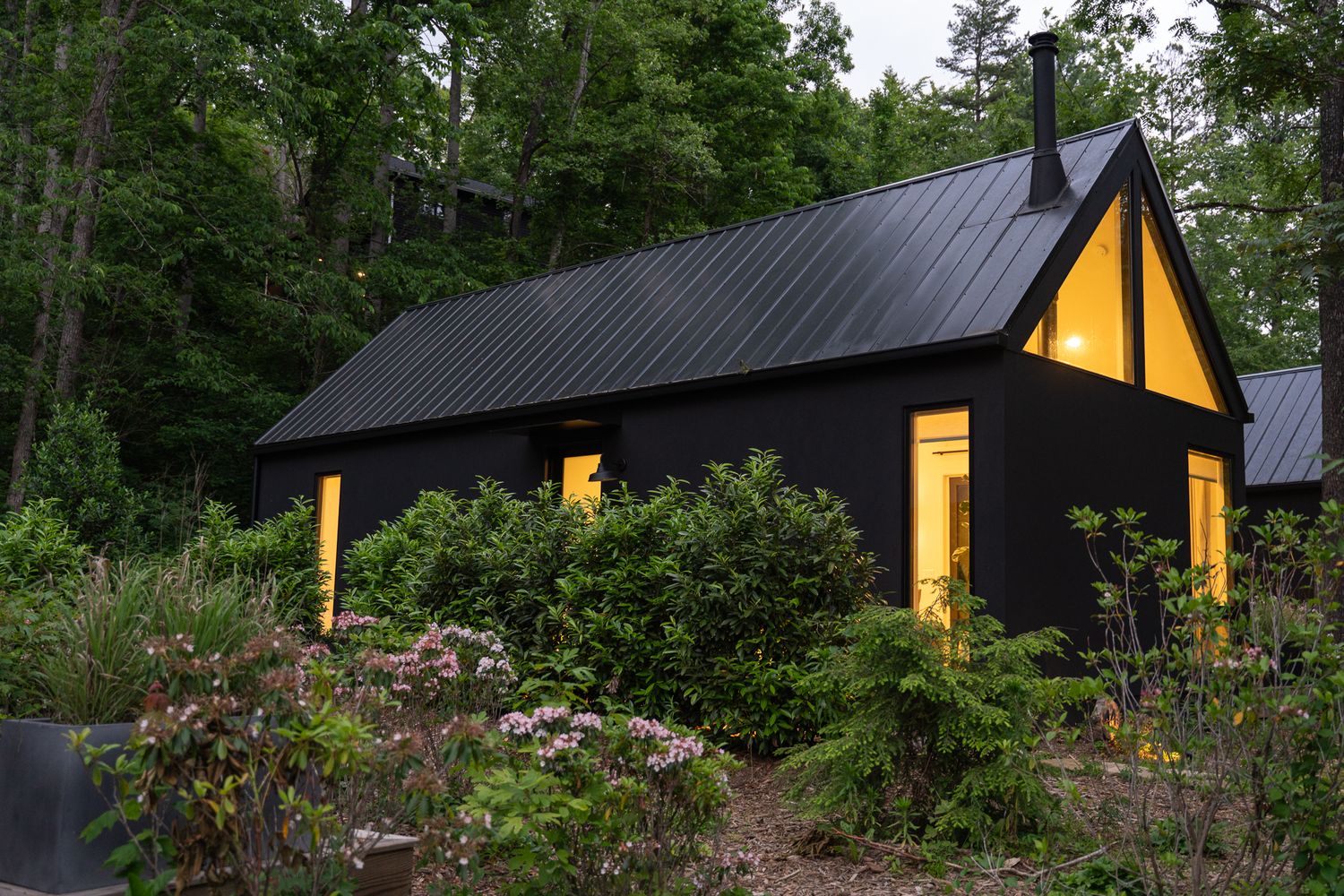
Start with what the images do once they exist. One strong frame from a cabin shoot can be the Airbnb thumbnail, the hero image on the direct booking site, a Meta ad, an Instagram post, the header of the spring newsletter, and the front of a postcard in the welcome basket. That single photo may work in six places for three or four years.
Images also carry the part of the story that copy can't. A guest deciding between two cabins reads the bed count, then books the one where they can picture the morning on the porch. A customer choosing a boutique decides whether the place feels like them before they read a word. Photographs make that case quietly, every time someone scrolls past.
So when I price a shoot, I'm pricing the making of something your business will put to work for years.

Where the hours go: the five stages of a commercial shoot
1. Pre-production
Every shoot starts at a desk. A discovery call. A brand questionnaire, so I understand who your customers are and what you want them to feel. Then the shot list, which is the plan for every image the shoot needs to produce, organized by location, time of day, and where each frame will be used.
From there it's logistics. Scouting the property, in person or on a map, to see which way the rooms face and where the sun sets. Coordinating models, wardrobe, props, and sometimes a stylist.
Building a schedule around the light, with a weather backup. For a hike-in campground in north Georgia this fall, the plan covered three tent setups, four models, a campfire, and a day that ran from sunrise to sunset.
2. Time on site
This is the part everyone pictures, and it takes longer than most people expect. A commercial shoot is planned around light, so a single property can mean arriving at 7 a.m. for morning interiors, pausing through flat midday sun, and staying through golden hour and dusk. Each frame gets set up by hand: furniture nudged, lamps balanced, a stray cord moved out of sight. Add the drive, the gear, and the waiting for a cloud to pass.
3. Culling
A full day on site can produce well over a thousand frames. Culling is the process of narrowing those down to the keepers, comparing near-identical shots for the one where the light, the expression, and the composition all land at once. It's slow, careful work, and it's where a photographer's judgment does as much as their camera.
4. Editing
Every delivered image is edited one at a time. That means correcting color across mixed lighting (window light, lamps, and overheads rarely agree), straightening verticals so walls don't lean, balancing bright windows against darker rooms, and removing small distractions. A clean interior might take a few minutes. A complex one can take half an hour or more. My rule is to subtract clutter and never add fiction: I'll remove an outlet cover, but I won't swap in a sky that wasn't there.
5. Delivery
Finished images go to a shared drive in full resolution for print and web-sized files for your site and listings, plus vertical crops for Instagram and reels when the shoot calls for them. Organized so you can find the porch photo in five seconds when your ad manager asks for it.
What that adds up to
Here's a realistic time picture for a two-bedroom vacation rental delivering 45 to 55 images:
- Pre-production: 3 to 5 hours
- On site, including travel: 5 to 10 hours
- Culling: 2 to 4 hours
- Editing: 8 to 15 hours
- Delivery and follow-up: 1 to 2 hours
That's roughly 19 to 36 hours of work, of which the shoot itself roughly a third.

Commercial photography pricing FAQ
Q: Why do photographers charge a licensing fee?
A: Because the photographer owns the copyright to the images by default, and the license is what gives your business permission to use them. A licensing fee is priced by how the images will be used: where they appear, for how long, and whether the use is exclusive. Pricing it separately means you pay for the use you need and can expand it later.
Q: Do I own the photos I pay a photographer for?
A: In the United States, the photographer owns the copyright unless a written agreement transfers it. What you buy is a license to use the images in the ways the agreement describes. A full copyright transfer, called a buyout, is possible but costs considerably more, and most small businesses never need one.
Q: What's the difference between a creative fee and a licensing fee?
A: The creative fee covers the work of making the images: planning, time on site, culling, editing, and delivery. The licensing fee covers the right to use the finished images in specific places for a specific term. Some photographers combine them into one package price, but a good quote will still spell out what the license includes.
Q: Why does commercial photography cost more than real estate photography?
A: Real estate photography is built for speed and a short window of use, documenting a home for the few weeks it's for sale. Commercial photography for a business or vacation rental involves more planning, a longer day shaped around the light, lifestyle and detail images, deeper editing, and a license for marketing use across years and channels.
Q: Do you photograph businesses and properties outside Asheville?
A: Yes. I work within 200 miles of Asheville, which covers Western North Carolina, the North Georgia mountains, Upstate South Carolina, and East Tennessee, from Boone and Highlands to Hiawassee, Greenville, and Gatlinburg. Shoots outside the Asheville area carry a travel fee, except around Hiawassee and Lake Chatuge, where there is none.
Ask where the other hours went
Next time a quote looks high for a two-hour shoot, ask the photographer where the other hours go. A good one will be glad to walk you through it. (I could talk about shot lists for longer than you'd like.)
And if you'd like to know what your business or property would need, tell me where the images will run, and we'll build it from there.